


Secure Your Dream Home: Refinance Options for Bad Credit Home Loans
January 3, 2026
Explore bad credit home loan refinance options. Learn strategies to improve your chances, understand key considerations, and find professionals to help secure your dream home.

Buying a home is a big deal, and sometimes life throws curveballs that mess with your credit. If you've got a less-than-perfect credit score, the idea of refinancing your mortgage might seem impossible. But don't give up just yet! There are definitely ways to look into a bad credit home loan refinance, even if banks have turned you down before. This guide is here to help you understand your options and how to make them work for you.
Key Takeaways
- Bad credit doesn't automatically mean no to refinancing; alternative lenders and specific programs exist for those with lower scores.
- Expect higher interest rates and potentially more fees when refinancing with bad credit, as lenders see it as a higher risk.
- Improving your credit score, offering a larger down payment, or adding a co-signer can significantly boost your chances of approval and secure better terms.
- Refinancing can be a strategic move to consolidate debt, improve monthly cash flow, or access home equity, even with a less-than-ideal credit history.
- Working with a mortgage broker experienced in bad credit loans can help you navigate the process, find suitable lenders, and prepare your application effectively.
Understanding Bad Credit Home Loan Refinance Options
What Constitutes 'Bad Credit'?
When we talk about 'bad credit' in the context of mortgages, we're generally looking at credit scores that fall below what traditional lenders consider ideal. While definitions can shift a bit, a score below 600 is often seen as a red flag. This can be due to a few things: missed payments on loans or credit cards, carrying high balances on your credit accounts, having accounts in collections, or even past bankruptcies. The lower your score dips, the harder it can be to get approved for a mortgage, but it's not always a dead end.
The Impact of Bad Credit on Your Mortgage
Having a lower credit score can really change the game when you're trying to get a mortgage, especially a refinance. Lenders see a lower score as a sign of higher risk, meaning they think there's a greater chance you might not be able to make your payments. Because of this, they might offer you:
- Higher Interest Rates: This is probably the most common consequence. To compensate for the added risk, lenders will charge you more interest over the life of the loan, making your monthly payments higher and the total cost of borrowing more expensive.
- Larger Down Payment Requirements: You might be asked to put down a bigger chunk of cash upfront, sometimes 20% or even more, to show you're serious and to reduce the lender's exposure.
- Stricter Loan Terms: The loan itself might come with less flexibility, fewer options for repayment, or shorter timeframes.
Why Banks Often Decline Applications
Big banks and traditional lenders usually have pretty strict rules they have to follow. These rules are often set by government regulations, and they're designed to protect both the lender and the borrower. If your credit score is below their preferred threshold, say 660 or higher, they might just say no. Even if they don't outright decline you, they might offer terms that are just not workable for your situation. It's not personal; it's just how their system is set up to manage risk across a large number of applicants. They're looking for the safest bets, and a lower credit score often doesn't fit that profile for them.
Navigating the Refinance Process with Poor Credit

Okay, so you've got less-than-perfect credit, and you're looking into refinancing your home loan. It can feel a bit like trying to find a needle in a haystack, but it's definitely not impossible. Banks might be hesitant, but there are other paths you can explore. The key is understanding your options and preparing yourself.
Alternative Lending Options for Bad Credit Borrowers
When traditional banks say no, don't despair. There are lenders out there who specialize in working with people who have credit challenges. These are often called alternative lenders or private lenders. They look at your whole financial picture, not just a credit score. Sometimes, they offer "second chance" mortgages, which are specifically for folks who might have gone through bankruptcy or a consumer proposal. It's about finding someone willing to work with your situation. If you're looking to buy a home in Canada with less-than-perfect credit, exploring these options is a good start.
Pros and Cons of Alternative Lenders
Like anything, going with an alternative lender has its ups and downs. On the plus side, they can be more flexible with credit scores and might approve you when a big bank wouldn't. They can also sometimes process applications faster. However, there are downsides. You'll likely face higher interest rates, maybe 1% to 4% above the prime rate. The loan terms might also be shorter, with the idea that you'll refinance again later when your credit improves. You should also expect extra fees, like lender fees, broker fees, and legal costs. It's a trade-off: getting approved now versus paying more for it.
Here's a quick look at what you might encounter:
- Higher Interest Rates: Expect rates that are above the average market rates.
- Shorter Loan Terms: Lenders may offer shorter periods to repay the loan.
- Additional Fees: Be prepared for various fees associated with the loan process.
When you're considering a mortgage with bad credit, think of it as a stepping stone. The goal is to get your foot in the door now, then focus on improving your credit over the next year or two. Once your financial picture looks better, you can refinance with a more traditional lender for better terms.
What to Expect with a Bad Credit Mortgage
If you do get approved for a mortgage with a lower credit score, it's good to know what you're signing up for. You'll probably have a higher interest rate than someone with excellent credit. This means your monthly payments could be higher, and you'll pay more interest over the life of the loan. The loan terms might also be shorter, encouraging you to improve your credit and refinance later. Be ready for closing costs, too. These can add up, typically ranging from 2% to 5% of the loan amount. They include things like appraisal fees, title searches, and legal fees. It's important to budget for these costs upfront to avoid any last-minute surprises. Remember, the goal is to get into your home now and then work on improving your credit for future refinancing opportunities.
Strategies to Improve Your Chances for a Bad Credit Home Loan Refinance
Okay, so your credit score isn't exactly stellar, and you're looking to refinance. It can feel like a tough spot, but don't worry, there are definitely things you can do to make lenders see you as a better bet. It's all about showing them you're serious about your finances and can handle the loan.
Steps to Improve Your Credit for Better Mortgage Terms
While getting a mortgage with less-than-perfect credit is possible, making some improvements beforehand can really open doors to better interest rates and terms. Think of it as giving yourself a financial tune-up. Here are some practical steps:
- Pay all your bills on time, every time. This is the big one. Payment history makes up a huge chunk of your credit score. Even one late payment can hurt.
- Keep your credit card balances low. Try to use less than 30% of your available credit limit on each card. Lowering this utilization ratio shows you're not overextended.
- Don't apply for a bunch of new credit right before you apply for a mortgage. Each application can cause a small dip in your score. Stick to the essentials.
- Keep older credit accounts open, even if you don't use them much. The length of your credit history matters, and closing old accounts can shorten that history and potentially lower your score.
- Check your credit reports for errors. Seriously, sometimes there are mistakes on there that are dragging your score down. You can dispute them and get them fixed.
Making even small, consistent efforts to manage your credit better can make a noticeable difference over time. It's about building a track record of responsible financial behavior.
Add a Co-Signer or Guarantor
This is a pretty straightforward way to boost your application. If you have a family member or a close friend with a strong credit history who is willing to co-sign the loan, it can significantly reduce the lender's risk. Their good credit essentially acts as a safety net for the lender, making them more comfortable approving your refinance. Just remember, if you were to miss payments, it would impact their credit too, so make sure everyone involved is on the same page and comfortable with the arrangement.
Offer a Larger Down Payment
If you have the funds available, putting down a larger down payment than initially required can be a game-changer. It shows the lender you have a significant financial stake in the property and are less likely to walk away. A bigger down payment also means you're borrowing less money, which naturally lowers the lender's risk. This can sometimes offset concerns about a lower credit score, making your refinance application much more appealing.
Key Considerations for Refinancing a Bad Credit Home Loan
Refinancing a home loan when you have bad credit isn't quite like doing it with a perfect score. You'll likely run into a few differences, and it's good to know what to expect. Being prepared for these factors can make the whole process smoother.
Higher Interest Rates and Fees
When your credit isn't in the best shape, lenders see you as a bigger risk. To make up for that risk, they usually charge more. This means your interest rate will probably be higher than what someone with good credit would get. It's not just the interest rate, either. You might also see more fees tacked on. These can include things like application fees, origination fees, and appraisal fees. It's important to look at the total cost, not just the monthly payment. You can find out more about borrowing against your home here.
Shorter Loan Terms
Lenders might also offer shorter loan terms when you have bad credit. The idea here is that they want you to pay off the loan faster. They're hoping that over that shorter period, you'll improve your credit score. Once your score is better, you can then look into refinancing again, hopefully at a much better rate. It's a bit of a stepping stone approach.
Mortgage Default Insurance
Depending on the loan and the lender, you might be required to get mortgage default insurance. This is another way for the lender to protect themselves if you can't make your payments. It's an added cost, so be sure to factor it into your budget. It's just another piece of the puzzle when you're dealing with a less-than-perfect credit history.
When to Consider a Bad Credit Home Loan Refinance

So, you've got a mortgage, and maybe your credit isn't what you'd hoped for when you first got it. That's okay. Life happens, and sometimes financial situations change. Refinancing might seem like a long shot with less-than-perfect credit, but it's not always out of reach, and it can actually be a smart move in a few specific situations. It's about looking at your current mortgage and seeing if there's a way to make it work better for you right now.
Settling High-Interest Debt
One of the biggest reasons people look into refinancing, even with bad credit, is to get a handle on other debts. If you've got credit cards or personal loans with really high interest rates, those can add up fast and make it tough to get ahead. A refinance could potentially let you roll that high-interest debt into your mortgage. Since mortgage rates are often lower than credit card rates, this could mean saving a good chunk of money on interest over time. It's like trading a bunch of expensive, small loans for one larger, more manageable one.
Here's a quick look at how it might work:
- Credit Card Debt: Often carries interest rates of 15-25% or more.
- Personal Loans: Rates can vary, but might be in the 8-15% range.
- Mortgage Refinance: Even with bad credit, you might find rates in the 7-12% range, depending on the lender and your specific situation.
This isn't a magic fix, and you'll need to compare the costs carefully, but the potential savings can be significant.
Improving Monthly Cash Flow
Sometimes, the goal isn't necessarily to save money on interest overall, but to make your monthly budget a little less tight. If your current mortgage payment is a strain, refinancing could help lower that amount. This might involve extending the loan term, which means you pay less each month, though you'll pay more interest over the life of the loan. Or, if you can find a slightly lower interest rate, even a small drop can make a difference in your monthly outgoings. Having a bit more breathing room in your budget can reduce stress and give you more flexibility.
Accessing Home Equity
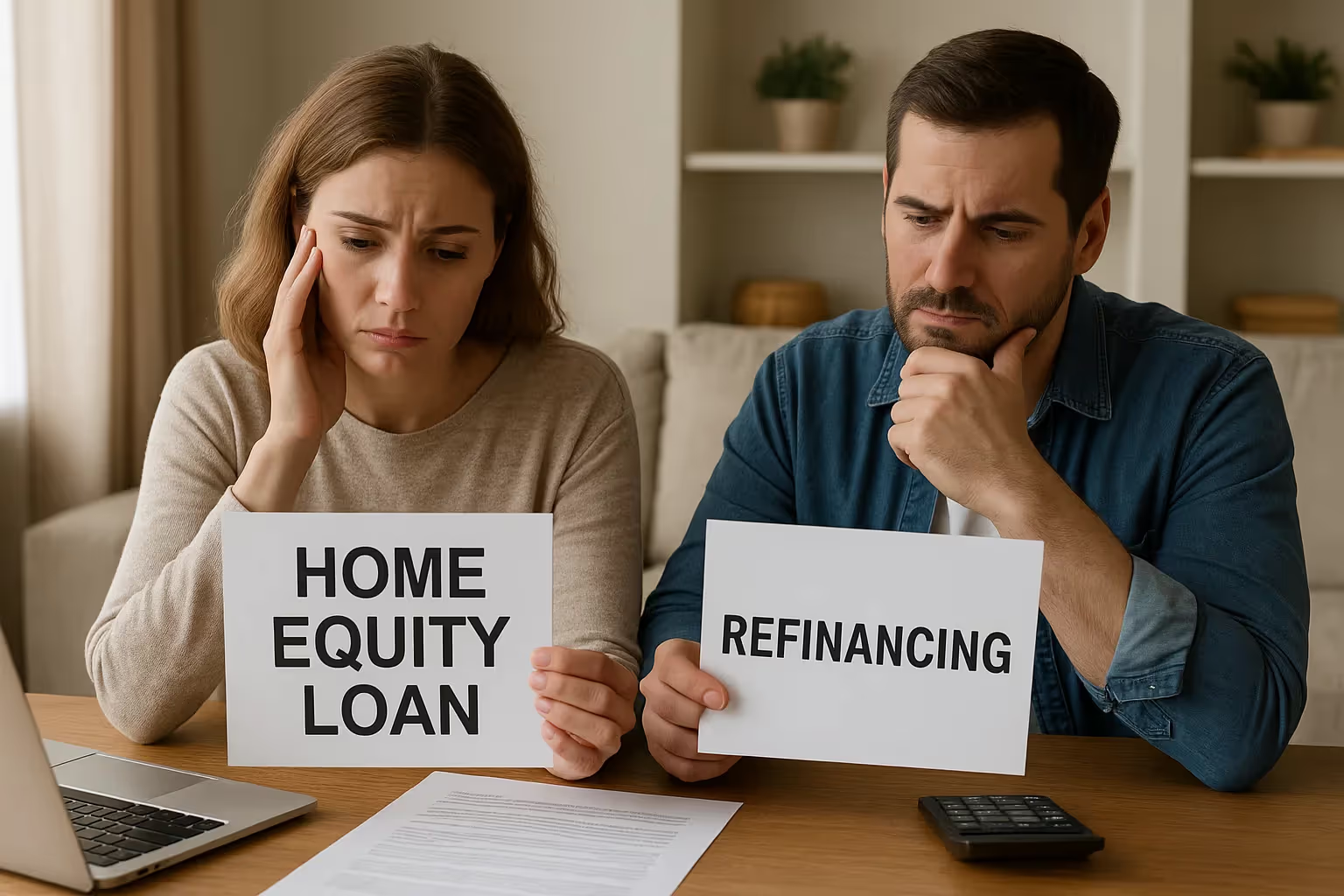
If you've been paying down your mortgage for a while, you might have built up some equity in your home. Equity is basically the difference between what your home is worth and what you owe on the mortgage. Refinancing can sometimes allow you to tap into this equity. This means you could potentially borrow more than you currently owe on your mortgage, and use the extra cash for various needs – maybe a home renovation, education expenses, or even consolidating other debts. It's a way to use your home as a financial tool, but it does mean increasing your mortgage balance and therefore your payments.
Refinancing with bad credit often means looking at lenders who specialize in these situations. They might offer options that traditional banks won't, but it's important to be aware that these loans can come with higher interest rates and fees. Always do your homework and compare offers to make sure the refinance makes financial sense for your long-term goals.
Working with Professionals for Your Refinance
Okay, so you've got bad credit and you're looking to refinance your home loan. It sounds like a tough road, right? But here's the thing: you don't have to go it alone. There are pros out there who actually specialize in helping folks like you. Think of them as your guides through the confusing world of mortgages when your credit score isn't exactly stellar.
The Role of a Mortgage Broker
A mortgage broker is basically your advocate. They're not tied to just one bank; they work with a bunch of different lenders, including those who are more open to borrowers with less-than-perfect credit. They know the market, they know the lenders, and they can shop around for you. This is super helpful because instead of you filling out a dozen applications and getting rejected everywhere, the broker can present your situation to the right people. They can also negotiate terms, which is a big deal when you're trying to get a decent rate despite your credit history. They can even point you toward ways to improve your credit score over time, which is a win-win.
What to Expect During the Approval Process
Even with a broker, there's still a process. It's not like they wave a magic wand. You'll still need to provide a lot of paperwork – think recent pay stubs, employment letters, and bank statements. The lender will want to do a full appraisal of your home to see what it's worth. There's also a title search to make sure everything's clear. Generally, from the time you apply to when the money is actually in your account, it can take about two to three weeks. Sometimes longer, depending on how quickly you can get them all the documents they ask for. If you're slow to respond, it can delay things, and nobody wants that.
Gathering Necessary Documentation
This is where you really need to be organized. The more prepared you are, the smoother things will go. You'll likely need:
- Proof of income (recent pay stubs, tax returns, employment letter)
- Bank statements (usually for the last few months)
- Identification (driver's license, passport)
- Details about your current mortgage
- Information on any other debts you have
- A list of your assets
Having all this ready before you even start talking to a broker can save a ton of time. It shows you're serious and makes it easier for them to build a strong case for you with potential lenders.
Working with professionals means you're not just guessing. They have the experience to know which lenders are likely to approve your application and what terms you might realistically expect. It's about making the process less stressful and increasing your chances of success, even when your credit isn't ideal.
Your Dream Home is Still Within Reach
So, while a less-than-perfect credit score can feel like a roadblock, it doesn't have to be the end of your homeownership journey. We've seen that there are definitely options out there, from alternative lenders to specific refinance programs designed for situations like yours. It might take a bit more digging and maybe working with a broker who knows the ropes, but getting into your dream home is still totally possible. The key is to understand what you're up against, explore all the avenues, and take steps to improve your financial picture for the future. Don't give up on that dream – start looking into what works for you today.
Frequently Asked Questions
What exactly is considered 'bad credit' when trying to get a mortgage?
Think of your credit score like a report card for how you handle borrowed money. In Canada, scores generally range from 300 to 900. If your score is below 600, many big banks might see it as risky. Things like missing payments, having too much debt on your credit cards, or past bankruptcies can lower your score. The lower the score, the harder it can be to get approved for a loan.
How does having bad credit affect my chances of getting a mortgage or refinancing?
When you have bad credit, lenders see you as more likely to not pay back the loan. Because of this, traditional banks might say no to your application. If they do approve you, they'll likely charge you a much higher interest rate, meaning you'll pay more money over time. It can also mean you have fewer choices for lenders and loan terms.
Are there other places to get a mortgage if the big banks say no?
Absolutely! If traditional banks aren't an option, there are other lenders. These can include private lenders who focus more on the value of your home than your credit score, or 'B' lenders who work with people who have less-than-perfect credit. Sometimes, special programs called subprime mortgages are also available. These options might come with higher costs, but they can still help you get a home loan.
What are the main downsides of getting a mortgage with bad credit?
The biggest differences you'll likely see are higher interest rates and possibly needing to pay a larger down payment. Lenders also tend to offer shorter loan periods, meaning you'll need to pay the loan back faster. You might also have to pay extra fees for things like setting up the loan or insurance, which can add up.
Can I actually refinance my mortgage if I have bad credit?
Yes, it's possible to refinance even with bad credit, but it's definitely more challenging. Lenders prefer borrowers with good credit history. However, if you have some equity in your home or can find an alternative lender, refinancing might help you get a better deal, pay off other debts, or improve your monthly budget. It's often a good idea to work on improving your credit score first.
What are some simple things I can do to improve my chances of getting approved for a mortgage refinance?
You can make yourself a more attractive borrower by taking a few key steps. Paying down your credit card balances to lower how much debt you owe is a big help. Showing proof of a steady income, like recent pay stubs, is also important. If possible, having someone with good credit co-sign the loan can also boost your application. Even small actions, like fixing errors on your credit report, can make a difference.












Get in touch with a loan officer
Our dedicated loan officers are here to guide you through every step of the home buying process, ensuring you find the perfect mortgage solution tailored to your needs.
Options
Exercising Options
Selling
Quarterly estimates
Loans
New home

Stay always updated on insightful articles and guides.
Every Monday, you'll get an article or a guide that will help you be more present, focused and productive in your work and personal life.








.png)
.png)
.png)
.avif)
.avif)
.avif)
.png)
.png)
.png)
.avif)
.png)
.png)
.avif)
.png)
.avif)
.png)
.avif)
.avif)