


Unlock Savings: Explore Today's PNC Refinance Mortgage Rates
December 9, 2025
Explore today's PNC refinance mortgage rates. Discover options to lower payments, access equity, and improve loan terms. Compare rates & costs.

Thinking about refinancing your mortgage? It's a big decision, and figuring out the best time and place to do it can feel overwhelming. PNC Bank is one option many homeowners consider. This article breaks down what you need to know about PNC mortgage refinance rates, how they work, and what benefits you might see. We'll cover everything from understanding the rates themselves to the application process and how PNC compares to others. Let's get started.
Key Takeaways
- PNC mortgage refinance rates can help lower your monthly payments or adjust your loan terms.
- Factors like your credit score, the current market, and your loan type affect your refinance rate.
- PNC offers different refinance options, including rate-and-term and cash-out.
- Checking your eligibility and understanding the application process are important steps.
- Comparing PNC's refinance rates and fees with other lenders can help you find the best deal.
Understanding Today's PNC Refinance Mortgage Rates
So, you're thinking about refinancing your mortgage with PNC Bank. That's a smart move if you're looking to trim down those monthly payments or maybe get some cash out for other needs. But how do you make sure you're really getting the best deal possible? It's not just about picking the first rate you see. There are a few things to consider to really get the most bang for your buck.
Getting a clear picture of current PNC mortgage refinance rates involves looking at a few things. PNC Bank generally offers competitive rates, and they're a pretty big player in the mortgage market. They provide a variety of loan types, including options for refinancing. It's important to check their site or talk to a loan officer for the most up-to-date numbers, as these can fluctuate daily based on market conditions. As of December 8, 2025, the national average 30-year fixed mortgage APR is around 6.34%, with refinance APRs typically a bit higher. PNC's rates will move with these general trends, but your personal rate could be different.
Lots of things can affect the specific rate you'll be offered. Your credit score is a big one; generally, a higher score means a better rate. The amount of equity you have in your home also plays a role. Lenders look at your debt-to-income ratio too – basically, how much you owe compared to how much you earn. Even the type of loan you choose and how long you plan to have it (the loan term) can influence the rate. PNC, like other lenders, considers all these details.
Here's a quick look at what matters:
- Credit Score: Higher scores usually get lower rates.
- Home Equity: The more equity you have, the better.
- Debt-to-Income Ratio: Lenders want to see you can handle payments.
- Loan Type & Term: Different loans and lengths have different rates.
Checking your rate with PNC is pretty straightforward. You can usually start the process online through their website. They often have tools where you can input some basic information – like your credit score and ZIP code – to get an estimated rate. You can also apply by phone or visit a local branch if you prefer talking to someone face-to-face. Getting prequalified is a good first step because it gives you a more personalized rate estimate without a hard hit to your credit score.
- Online Application: Visit the PNC Bank website and look for their mortgage or refinance section. You'll find tools to estimate rates and start an application.
- Phone Consultation: Call PNC's mortgage department directly. They can guide you through the process and answer your questions.
- In-Person Visit: Stop by a local PNC branch to speak with a loan officer about your refinancing options.
Remember that the rate you see online is often an estimate. The final rate you get will depend on a full review of your financial situation and the property. It's always a good idea to compare rates from different lenders, and you can use online tools to help with that rate comparison tools.
Understanding all the factors that go into your refinance rate is key. Don't just focus on the advertised number; consider your personal financial picture and how it aligns with what PNC Bank is looking for. This will help you get a more accurate idea of what you can expect.
Exploring Your PNC Refinance Options
So, you're thinking about refinancing your mortgage with PNC Bank. That's a smart move if you're looking to trim down those monthly payments or maybe get some cash out for other needs. But how do you make sure you're really getting the best deal possible? It's not just about picking the first rate you see. There are a few things to consider to really get the most bang for your buck. PNC offers different ways to refinance, and understanding these can help you pick the one that fits your financial picture best.
Rate-and-Term Refinancing Explained
This is probably the most common type of refinance. With rate-and-term refinancing, you're essentially replacing your current mortgage with a new one that has different terms. The main goals here are usually to get a lower interest rate or to change the length of your loan. For example, maybe you want to switch from a 30-year mortgage to a 15-year one to pay it off faster, or perhaps you just want to snag a lower interest rate because market conditions have improved since you first got your loan.
- Lower Interest Rate: If current rates are lower than your existing mortgage rate, you can save money on interest over the life of the loan. This can also lead to lower monthly payments.
- Change Loan Term: You might want to shorten your loan term to build equity faster and pay less interest overall, or lengthen it to reduce your monthly payments.
- Switch Loan Type: Perhaps you want to move from an adjustable-rate mortgage (ARM) to a fixed-rate mortgage for payment stability.
Cash-Out Refinancing Opportunities
If you've built up a good amount of equity in your home, a cash-out refinance with PNC could be a way to tap into that value. This type of refinance works by replacing your current mortgage with a new, larger one. The difference between the new loan amount and what you owed on the old one is given to you in cash. You can use this money for pretty much anything – home improvements, paying off high-interest debt, education expenses, or even just building up your savings.
This can be a great way to access funds without taking out a separate home equity loan.
Here's a quick look at how it works:
- Determine Your Equity: Calculate how much your home is worth and subtract what you still owe on your mortgage. The difference is your equity.
- Apply for a Cash-Out Refinance: PNC will assess your home's value and your financial qualifications.
- Receive the Cash: If approved, you'll get the difference between your new loan amount and your old balance in cash.
Specialty Refinance Programs Available
Beyond the standard options, PNC might also have some specialized programs. These could be designed for specific situations or borrower needs. For instance, they might have programs that help with closing costs, or perhaps options tailored for certain types of properties or loan scenarios. It's always a good idea to ask your PNC loan officer if there are any unique programs that could benefit your specific situation. Sometimes these less common options can offer a hidden advantage.
It's important to remember that refinancing involves costs. While the goal is usually to save money in the long run, understanding all the fees associated with a new loan is key. Make sure you get a clear picture of closing costs and any other charges before you commit to a refinance.
Maximizing Savings with PNC Refinance

So, you're thinking about refinancing your mortgage with PNC. That's a smart move if you're looking to trim down those monthly payments or maybe get some cash out for other needs. But how do you make sure you're really getting the best deal possible? It's not just about picking the first rate you see. There are a few things to consider to really get the most bang for your buck.
Lowering Your Monthly Payments
Refinancing your mortgage with PNC Bank can be a smart move if you're looking to reduce your monthly housing expenses. By securing a lower interest rate, you can potentially lower the amount you pay each month towards your principal and interest. This isn't just about saving a few bucks; it can free up significant cash flow that you can then use for other financial goals, like saving for retirement, paying down other debts, or even investing. Imagine having an extra few hundred dollars in your budget each month – that can make a real difference.
Accessing Home Equity with Cash-Out Refinance
If you've seen the value of your home go up, you might have a good amount of equity built up. A cash-out refinance lets you tap into that equity. It works by getting a new mortgage for more than you currently owe on your old one. The difference between the new loan amount and what you owed is given to you in cash. People use this cash for all sorts of things: home improvements, paying off high-interest debt, funding education, or even making a large purchase. It's like getting a loan against your home's value, but it replaces your existing mortgage with a new, larger one.
Improving Your Loan Terms
Beyond just lowering your interest rate, refinancing with PNC can also help you improve other aspects of your mortgage. Maybe your current loan has a shorter term, and you'd prefer a longer one to lower your monthly payments, even if it means paying a bit more interest over the life of the loan. Or perhaps you want to switch from an adjustable-rate mortgage (ARM) to a fixed-rate mortgage for payment stability. PNC offers various options that might better suit your current financial situation and long-term goals.
Here are some ways you can improve your loan terms:
- Switch to a fixed-rate mortgage: Gain predictable monthly payments.
- Shorten your loan term: Pay off your mortgage faster and save on interest.
- Consolidate debt: Use cash-out refinance to pay off higher-interest loans.
- Access funds for home improvements: Increase your home's value and enjoy a better living space.
Refinancing isn't just about the interest rate. Think about the loan term, too. A shorter term means higher monthly payments but less interest paid overall. A longer term means lower monthly payments but more interest over time. It's a trade-off to consider based on your budget and goals.
Navigating PNC Refinance Costs
Refinancing your mortgage isn't just about the interest rate; there are actual costs involved that can add up. It's super important to get a clear picture of these expenses before you commit, so you know exactly what you're getting into and can make sure the refinance actually saves you money in the long run.
Understanding Closing Costs
These are the fees you pay when you finalize your new mortgage. They can include a bunch of different things. Think of them as the administrative and service charges for setting up your new loan. It's not just one big fee; it's usually a collection of smaller ones.
Here's a general rundown of what you might see:
- Origination Fee: This is what the lender charges for processing your loan application. It's often a percentage of the loan amount.
- Appraisal Fee: Someone has to check out your home's value, and this fee covers that.
- Title Insurance: This protects you and the lender if there are any issues with the home's title history.
- Recording Fees: The local government charges these to officially record your new mortgage documents.
- Attorney Fees: If you use an attorney for the closing process, their fees will be part of this.
It's easy to get caught up in the advertised interest rate, but these closing costs can significantly impact your overall savings. Always ask for a detailed breakdown so you can compare them accurately between lenders.
Leveraging PNC's Closing Cost Assistance
Sometimes, lenders like PNC Bank offer ways to help ease the burden of these closing costs. They might have specific programs or credits available, especially if you're a current PNC customer or if you're refinancing into certain types of loans. It's definitely worth asking your loan officer if there are any assistance programs you might qualify for. Getting help with these fees can make a real difference in how much you save overall.
Evaluating Lender Fees and Costs
Beyond the standard closing costs, it's wise to look at all the fees a lender charges. Some might advertise a lower interest rate but tack on higher fees, while others might have a slightly higher rate but fewer associated costs. The best way to compare is to get a Loan Estimate from each lender you're considering. This document lays out all the costs clearly, making it easier to see the true expense of each option. Don't hesitate to question any fee that seems unclear or too high. Understanding the total cost, not just the interest rate, is key to making a smart refinancing decision.
Comparing PNC Refinance Rates to Other Lenders
PNC Bank's Competitive Edge
PNC Bank is a significant player in the mortgage market, often ranking among the top lenders nationwide. If you're already a PNC customer, you might find the process smoother, and sometimes there are special programs or potential benefits for existing clients. They also offer a variety of loan types, which can be helpful for different refinancing needs. It's worth seeing if their existing customer perks align with your goals.
Using Rate Comparison Tools
When you're shopping around for a refinance, don't just look at one bank. There are online tools that let you compare different lenders side-by-side. These tools often show the Annual Percentage Rate (APR), which includes fees, giving you a fuller picture than just the interest rate. You can usually plug in your loan details and see a list of lenders, including PNC, with their current rates and estimated costs. This is a good way to get a general idea and spot where you might save money.
Bankrate's Take on PNC
While specific recommendations can change, Bankrate often provides insights into how lenders like PNC stack up. They typically look at factors like advertised rates, fees, customer service, and the overall borrowing experience. Checking resources like Bankrate can give you an external perspective on PNC's position in the market relative to other options. Remember, though, that advertised rates are just a starting point; your personal rate will depend on your specific financial situation.
It's important to remember that the advertised interest rate is only one piece of the puzzle. You also need to consider all the associated fees and costs that come with a refinance. Sometimes a slightly higher interest rate with lower fees can be a better deal overall than a lower rate with a lot of upfront costs.
Here's a general look at what influences your rate compared to others:
- Your Credit Score: A higher score generally gets you better rates across all lenders.
- Market Conditions: General economic factors affect rates everywhere.
- Loan Type: The specific mortgage product you choose can differ between lenders.
- Loan-to-Value Ratio: How much you owe versus the home's value impacts risk for the lender.
Eligibility and Requirements for PNC Refinancing
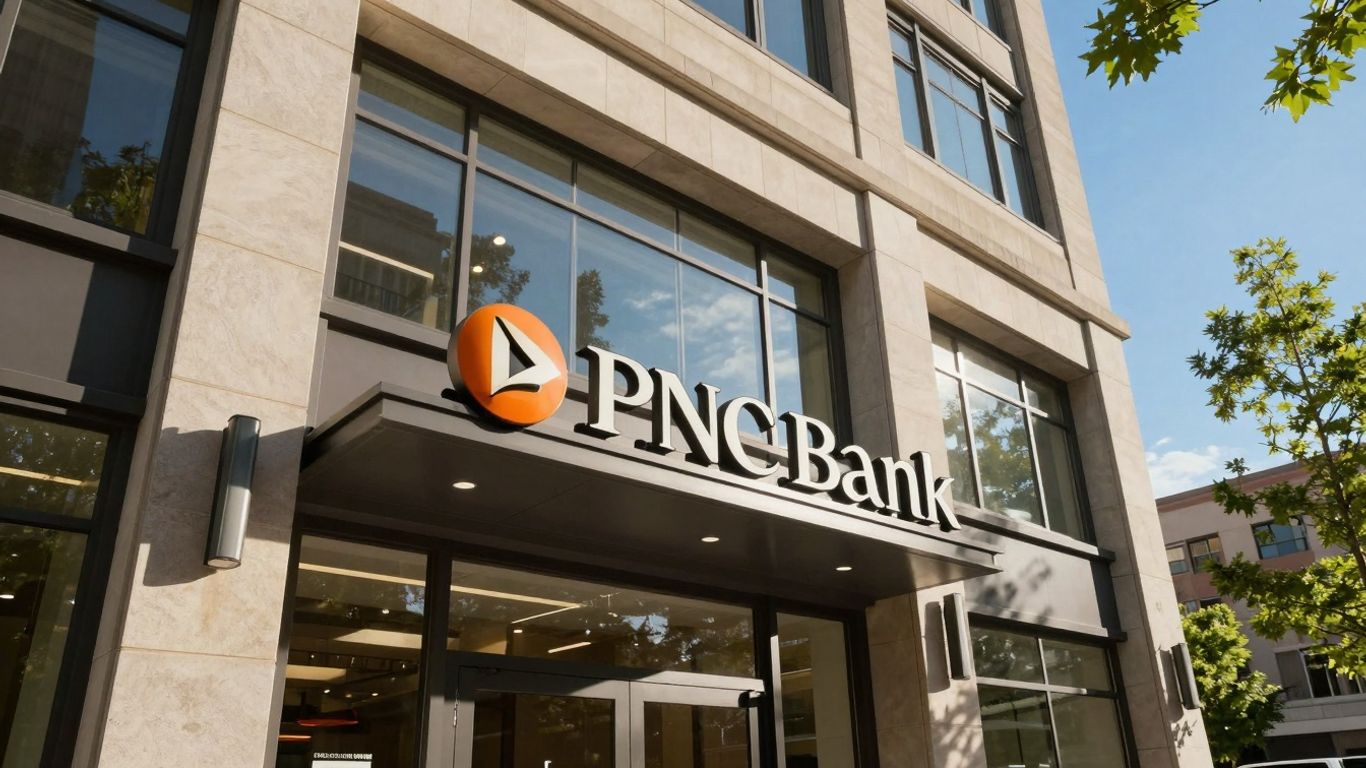
So, you're thinking about refinancing your mortgage with PNC Bank. That's great! But before you get too far into dreaming about lower payments, let's talk about what you'll need to qualify. PNC, like any lender, has certain criteria they look at to make sure you're a good candidate for a new loan. It's not just about having a house; it's about your financial picture.
Credit Score Requirements for Refinancing
Your credit score is a big deal when it comes to refinancing. It tells PNC how you've handled credit in the past. Generally, a higher score means you're less of a risk, which can lead to better interest rates. While PNC doesn't always advertise a strict minimum, most lenders, including PNC, prefer borrowers to have scores in the mid-600s or higher for conventional loans. For FHA refinances, the minimum might be a bit lower, around 600, but having a higher score is always better. A score of 740 or above often gets you the best rates.
Required Documentation for Refinancing
No matter how you apply, you'll need some paperwork ready. Having these documents handy will speed things up considerably. Generally, you'll need:
- Proof of Income: This usually includes recent pay stubs, W-2s, or tax returns from the last two years.
- Identification: A government-issued ID, like a driver's license or passport.
- Asset Information: Bank statements and investment account details.
- Current Mortgage Information: Details about your existing loan, including statements.
- Homeownership Proof: Property tax statements and homeowners insurance information.
It's always a good idea to check with your PNC loan officer for a precise list, as requirements can sometimes vary. If you're looking into refinancing a home equity loan, remember that lenders will assess your home equity and creditworthiness. Refinancing a home equity loan has its own set of criteria.
Applying for a refinance involves sharing a good amount of personal financial data. It's important to feel comfortable with the lender and the process. Take your time to gather everything needed, and don't hesitate to ask questions along the way.
Understanding Loan Types and Terms
PNC will also want to see that you have a steady income and can handle the new mortgage payment on top of your other debts. They'll calculate your debt-to-income (DTI) ratio. This is the total of your monthly debt payments (including the new mortgage, car loans, credit cards, etc.) divided by your gross monthly income. Most lenders like to see a DTI of 43% or lower, though some might go a bit higher if other parts of your financial profile are strong. It shows them you're not overextended financially. The amount of equity you have in your home also plays a role. Equity is the difference between your home's current market value and what you still owe on your mortgage. PNC will look at your loan-to-value (LTV) ratio, which is the loan amount divided by the home's value. For a rate-and-term refinance, they might want your LTV to be 95% or less. If you're looking to do a cash-out refinance, where you pull money out of your home's equity, the LTV requirements can be different, often requiring you to have more equity. For example, you might need to keep at least 20% equity in your home after the cash-out. Even the type of loan you choose and how long you plan to have it (the loan term) can influence the rate. PNC, like other lenders, considers all these details.
Wrapping Things Up
So, if you're thinking about refinancing your mortgage, PNC Bank is definitely worth a look. They've got a range of options, from just getting a better rate to pulling out some cash if you need it. Remember to compare their rates and fees with other lenders, and don't forget to ask about any help they might offer with closing costs. Taking the time to do your homework now could mean real savings down the road. It’s all about finding the right fit for your financial situation and making your money work a little harder for you.
Frequently Asked Questions
What exactly are PNC mortgage refinance rates?
PNC mortgage refinance rates are simply the interest rates you'll get when you swap your current home loan for a new one from PNC Bank. These rates are super important because they directly affect how much your new monthly payment will be.
How can I find out what my specific PNC refinance rate might be?
To get a personalized rate estimate from PNC, you can head over to their website and use their online rate tool. You'll need to plug in some basic info about yourself and your home, like your credit score and ZIP code. You can also call them or visit a branch to talk to someone directly.
What makes PNC mortgage rates change?
A few things can cause PNC mortgage rates to go up or down. Your credit score is a major factor – a higher score usually means a better rate. Also, the overall economic situation, how much of your home you've already paid off (your equity), and the type of loan you pick all play a part.
Can refinancing with PNC actually lower my monthly payments?
Yes, refinancing with PNC can definitely lower your monthly payments if you manage to get a lower interest rate than you have now. Sometimes, extending the loan's length can also bring down your monthly cost, though you might end up paying more interest over the entire life of the loan.
What is a cash-out refinance with PNC?
A cash-out refinance with PNC is a way to borrow more money than you currently owe on your mortgage and get the extra cash. You can use this money for anything you need, like fixing up your home or paying off other debts. Just remember, this means your new loan will be bigger.
What are the main ways to refinance with PNC?
PNC offers two primary ways to refinance. First, there's rate-and-term refinancing, where you change your interest rate or the loan's length without taking out extra cash. Second, there's cash-out refinancing, where you borrow more than your current balance and get the difference as cash.












Get in touch with a loan officer
Our dedicated loan officers are here to guide you through every step of the home buying process, ensuring you find the perfect mortgage solution tailored to your needs.
Options
Exercising Options
Selling
Quarterly estimates
Loans
New home

Stay always updated on insightful articles and guides.
Every Monday, you'll get an article or a guide that will help you be more present, focused and productive in your work and personal life.









.png)
.png)
.png)
.avif)
.avif)
.avif)
.png)
.png)
.png)
.avif)
.png)
.png)
.avif)
.png)
.avif)
.png)
.avif)
.avif)