


Unlock Savings: When to Refinance Your Mortgage Based on Current Rates
December 28, 2025
Learn when to refinance your mortgage based on current mortgage rates. Discover strategies to save money, access equity, and make informed financial decisions.

Thinking about refinancing your mortgage? It can be a smart move, but knowing when to pull the trigger is key. Mortgage rates to refinance are always changing, and timing things right can save you a lot of money. Let's break down what you need to consider, from your own finances to what the market's doing. It's not just about getting a lower rate; it's about making sure it fits your life and your goals. We'll look at the good, the bad, and the 'maybe later' of refinancing.
Key Takeaways
- Refinancing can lower your monthly payments and total interest paid if you get a better mortgage rate than your current one.
- Consider the costs of refinancing, like appraisal fees and closing costs, and compare them to your potential savings to find your break-even point.
- Refinancing can be a way to access cash from your home's equity for things like home improvements or paying off other debts.
- Sometimes, it's better to wait to refinance, especially if you plan to move soon or if prepayment penalties are high.
- Keep an eye on current mortgage rates and compare offers from different lenders to ensure you're getting the best deal possible.
Understanding When Mortgage Rates to Refinance Make Sense

So, you're thinking about refinancing your mortgage. It's a big decision, and honestly, it's not always the right move for everyone, every time. The main idea is to see if you can get a better deal on your home loan than the one you have now. This usually means getting a lower interest rate, which can save you a good chunk of change over the life of the loan. But it's not just about the rate. You've got to look at the whole picture.
Key Indicators for Refinancing Your Mortgage
When should you even start thinking about refinancing? There are a few signs that might mean it's time to explore your options.
- Interest Rates Have Dropped: This is the big one. If the current mortgage rates are noticeably lower than the rate on your existing loan, refinancing could be a smart play. Even a drop of half a percent or more can add up to significant savings.
- You've Built Up Equity: As you pay down your mortgage and if your home's value has gone up, your equity increases. Refinancing can let you tap into that equity for things like home improvements or paying off other debts.
- Your Financial Situation Has Improved: Maybe your credit score has gone up since you got your original mortgage, or your income has increased. This could qualify you for better rates and terms than you had before.
- You Want to Change Your Loan Terms: Perhaps you want to switch from an adjustable-rate mortgage (ARM) to a fixed-rate loan for more predictable payments, or maybe you want to shorten your loan term to pay it off faster.
The Impact of Dropping Interest Rates
Interest rates are like the weather for mortgages – they change all the time. When rates go down, it opens up opportunities. Imagine your current mortgage has a 7% interest rate. If rates drop to 5%, that's a pretty big difference. For a $200,000 loan over 30 years, that could mean saving hundreds of dollars on your monthly payment. Over the years, those savings can really pile up. The key is to see if the savings from a lower rate outweigh the costs of refinancing.
Assessing Your Financial Goals for Refinancing
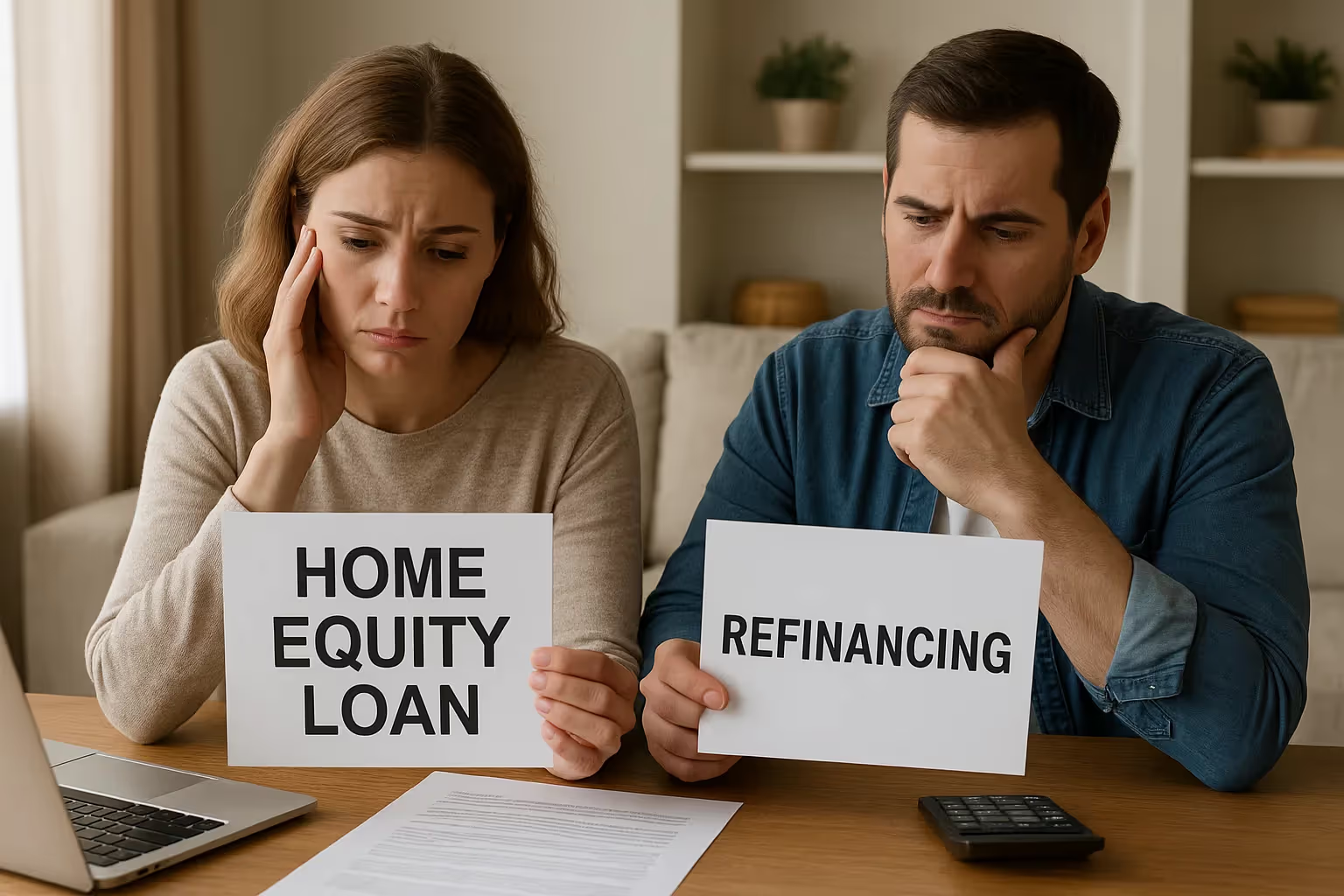
Before you jump into refinancing, take a moment to think about what you actually want to achieve. Are you trying to lower your monthly payments to free up cash flow? Or are you looking to pay off your mortgage faster by shortening the loan term? Maybe you need to pull some cash out of your home's equity for a big expense, like a renovation or consolidating high-interest debt. Knowing your goals will help you decide if refinancing is the right tool for the job and what kind of refinance makes the most sense for you.
Refinancing isn't just about getting a lower rate; it's about aligning your mortgage with your current financial needs and future plans. It's a strategic move that requires careful consideration of both the potential benefits and the associated costs.
Strategic Reasons to Consider Refinancing Your Mortgage
So, you're thinking about refinancing. It's a big decision, and it's smart to look at the 'why' before you jump in. Beyond just chasing lower rates, there are some solid strategic moves you can make with a refinance. Let's break down a few of the main ones.
Lowering Your Overall Borrowing Costs
This is probably the most common reason people refinance, and for good reason. If interest rates have dropped since you first got your mortgage, you might be able to get a new loan with a lower rate. Even a small drop, say half a percent or a full percent, can add up to significant savings over the life of your loan. Think about it: a lower interest rate means less money going to the bank over time, and more money staying in your pocket. It can also mean a lower monthly payment, which frees up cash for other things.
Here's a quick look at how a lower rate can impact your payments:
Remember, the goal here isn't just to get a lower monthly payment, but to reduce the total amount of interest you pay over the entire loan term. Sometimes, a lower payment might tempt you to stretch things out, but if you can keep the same term or shorten it, you'll save even more.
Accessing Home Equity for Financial Needs
Your home is likely your biggest asset, and over time, you build up equity as you pay down your mortgage and as property values potentially increase. Refinancing can be a way to tap into that built-up equity. This is often called a 'cash-out refinance.' You're essentially taking out a new, larger mortgage than you currently owe and getting the difference in cash. This cash can be used for a variety of things, like funding a major home renovation, paying for education, or even starting a business.
- Home Improvements: Update your kitchen, add a bathroom, or make energy-efficient upgrades. This can make your home more enjoyable and potentially increase its value further.
- Education Costs: Cover tuition fees, books, and living expenses for yourself or your children.
- Debt Consolidation: Pay off higher-interest debts like credit cards or personal loans. Rolling them into your mortgage can result in a lower overall interest rate and a single, more manageable monthly payment.
- Emergency Fund: Build up a cushion for unexpected expenses, providing financial security.
Consolidating High-Interest Debt
If you have credit card balances, personal loans, or other debts with high interest rates, refinancing your mortgage can be a smart way to deal with them. Mortgage interest rates are typically much lower than the rates on credit cards or unsecured loans. By using a cash-out refinance to pay off these debts, you can potentially save a lot of money on interest payments each month. Plus, instead of juggling multiple payments to different creditors, you'll have one predictable mortgage payment. This can simplify your finances and make it easier to manage your budget.
It's important to be disciplined, though. If you pay off your credit cards with a refinance and then run them back up, you've essentially just moved debt around without solving the underlying spending issue. The key is to use this opportunity to get your finances in better shape.
Evaluating the Costs and Benefits of Refinancing
So, you're thinking about refinancing. That's great! But before you jump in, let's talk about what it actually costs and what you stand to gain. It's not just about getting a lower interest rate, though that's a big part of it. You've got to look at the whole picture.
Calculating Your Break-Even Point
This is super important. You need to figure out how long it will take for the money you save on your monthly payments to cover all the costs of refinancing. If you plan to move before you reach that point, it might not be worth it. Think of it like this: if refinancing costs you $5,000 and saves you $100 a month, your break-even point is 50 months (that's over 4 years!).
Here's a simple way to think about it:
- Total Refinancing Costs: This includes appraisal fees, title insurance, lender fees, and any prepayment penalties on your old loan.
- Monthly Savings: This is the difference between your old monthly payment and your new, lower monthly payment.
- Break-Even Point (in months): Total Refinancing Costs / Monthly Savings
Understanding Refinancing Fees and Penalties
Refinancing isn't free. There are a bunch of fees that can add up. You might have to pay for:
- Appraisal Fee: To determine your home's current value.
- Title Search and Insurance: To make sure there are no liens or ownership issues.
- Lender Fees: Application fees, origination fees, etc.
- Recording Fees: To officially record the new mortgage.
- Prepayment Penalties: Some older mortgages charge a fee if you pay them off early, which refinancing does.
It's a good idea to get a detailed list of all these potential costs from your lender. Sometimes, you can negotiate these fees or roll them into the new loan, but that means you'll pay interest on them.
It's easy to get caught up in the excitement of a lower interest rate, but don't forget to factor in all the upfront costs. These expenses can sometimes eat into your savings, especially if you don't stay in the home for a long time.
Weighing Savings Against Refinancing Expenses
So, you've got your potential monthly savings and you know the costs. Now, you just compare them. If your monthly savings are significant and you'll reach your break-even point within a reasonable timeframe (say, before you plan to move or within a few years), then refinancing likely makes sense. But if the savings are small and the costs are high, you might be better off sticking with your current mortgage. It's all about making sure the math works out in your favor over the long haul.
Ultimately, the goal is to ensure that the long-term interest savings from a lower rate significantly outweigh the immediate costs of the refinance process.
When Refinancing Might Not Be the Optimal Choice

While the idea of saving money or accessing cash through refinancing sounds great, it's not always the best move. Sometimes, waiting is the smarter play. You've got to look at the whole picture, not just the shiny new rate.
Situations Where Waiting is Advisable
There are a few scenarios where hitting the pause button on refinancing makes more sense. For starters, if you're planning to sell your home in the near future, like within the next year or two, the costs associated with refinancing might just eat up any potential savings. It’s like buying a new suit for a party that might get canceled – you might end up with a nice suit, but you didn't really need it.
Also, consider your current mortgage terms. If your mortgage is nearing its end, say you have a year or less left, it might be better to just ride it out and explore options when you renew. This way, you avoid any penalties for breaking your current agreement early. It’s often simpler and cheaper to wait for the renewal date.
- You plan to move or sell your home soon. The closing costs of a refinance could negate any interest savings if you don't stay in the home long enough.
- Your current mortgage term is almost over. Waiting until renewal can help you avoid prepayment penalties and allow you to shop for the best rates then.
- Interest rates are expected to drop further. If economists are predicting a downward trend in rates, holding off might get you an even better deal down the line.
Sometimes, the most financially sound decision isn't to act immediately. It's about understanding the long-term implications and choosing the path that truly benefits your financial well-being, even if it means a bit more patience.
The Risk of Prepayment Penalties
This is a big one. Most mortgages, especially fixed-rate ones, come with a prepayment penalty if you pay them off early. This penalty is designed to make up for the interest the lender would have earned over the full term. It can be calculated in a couple of ways, often involving the Interest Rate Differential (IRD), which can be quite substantial. Before you even think about refinancing, you need to get a clear number on what this penalty would be. You can usually find this information in your mortgage documents or by calling your current lender. If the penalty is high, it could easily wipe out any savings you'd get from a lower interest rate.
Considering Future Market Trends
Looking ahead is just as important as looking at today's rates. What are the experts saying about where interest rates are headed? If the general consensus is that rates are likely to fall further, then refinancing now might mean you miss out on an even better opportunity later. It’s a bit like trying to catch a falling knife – sometimes it’s better to wait for it to land. Keep an eye on economic indicators and Bank of Canada policy announcements, as these can signal future rate movements. Understanding these trends can help you decide if now is the time to refinance or if you should wait for potentially more favorable conditions.
Leveraging Your Home Equity Through Refinancing
Unlocking Cash for Major Expenses
Sometimes, life throws you a curveball, or maybe you've got a big plan in the works. Whether it's a sudden medical bill, a dream home renovation, or even starting a business, tapping into the equity you've built in your home can be a smart move. Refinancing your mortgage allows you to access this built-up value. Think of it like this: your home has grown in value over the years, and you've paid down some of the loan. That difference is your equity, and with a refinance, you can essentially borrow against it. This can give you a lump sum of cash for whatever you need, often with better interest rates than other types of loans.
The Role of Home Appreciation in Refinancing
Home appreciation is a big deal when you're thinking about refinancing to pull out cash. If your home's value has gone up since you bought it, you've got more equity. This means you can potentially borrow more money. For example, if you bought your house for $300,000 and owe $200,000, you have $100,000 in equity. If your home is now worth $400,000 and you still owe $200,000, you now have $200,000 in equity. Lenders look at this equity when deciding how much they'll let you borrow. Generally, they'll let you borrow up to a certain percentage of your home's current value, often around 80%, but this can vary.
Understanding Equity Requirements for Lenders
Lenders have specific rules about how much equity you need to have before they'll consider a refinance that lets you take cash out. This is often called the loan-to-value (LTV) ratio. They typically want to make sure you still have a good chunk of equity left after you take out the cash. A common limit is that your new mortgage balance can't be more than 80% of your home's current appraised value. So, if your home is worth $400,000, the lender might only allow you to borrow up to $320,000 in total mortgage debt (including what you still owe). It's important to check with potential lenders to see their exact LTV requirements, as they can differ.
Here's a quick look at how equity can affect your borrowing power:
Remember, pulling cash out means you'll have a larger mortgage balance to pay off. Make sure the amount you borrow is truly needed and that you have a solid plan to manage the increased payments over the long term. It's easy to get excited about having extra cash, but it's also easy to forget that it's a loan that needs to be repaid.
Navigating Mortgage Rate Changes for Refinancing
Keeping an eye on mortgage rates is pretty important if you're thinking about refinancing. Rates can bounce around quite a bit, influenced by things like the economy and what the central bank is up to. You can't really control these changes, but you can get yourself in the best position to snag a good deal. Making sure your credit score is in good shape is a big one. Also, if you have a solid relationship with your bank, they might offer you better rates or more flexible options. It's a good idea to watch the rates and know about your lender's rate lock policy. This lets you lock in a rate while you're sorting out the refinance, just in case things change before you're done.
Monitoring Current Mortgage Rates
Watching mortgage rates isn't just about seeing if they've dropped. It's about understanding the trends. Rates can change daily, sometimes even hourly. A small dip might not seem like much, but over the life of a mortgage, it can add up to significant savings. Think about it: if you're looking at saving even half a percent on a large loan, that's thousands of dollars over 15 or 30 years. It's worth checking a few different sources regularly to get a feel for where things are headed.
The Advantage of Rate Lock Policies
So, you've found a rate you like, but the refinance process takes time. That's where a rate lock comes in handy. It's basically an agreement with your lender to hold a specific interest rate for a set period, usually 30 to 60 days, while your refinance application is processed. This protects you if rates go up during that time. Without a lock, you could end up with a higher rate than you initially planned for, which defeats the purpose of refinancing.
Here's a quick look at how a rate lock can help:
- Protection from Rate Hikes: If market rates increase while your refinance is in progress, your locked rate remains the same.
- Predictable Costs: Knowing your rate ahead of time helps you better estimate your future monthly payments and overall loan cost.
- Peace of Mind: It removes some of the uncertainty from the refinancing process, allowing you to focus on other aspects.
Comparing Offers from Different Lenders
Don't just go with the first lender you talk to. Different lenders can offer different rates and terms, even for the same borrower. It's like shopping around for anything else – you want to make sure you're getting the best deal. Get quotes from at least three different lenders. Look beyond just the interest rate, too. Consider the fees, the loan terms, and the overall customer service. Sometimes, a slightly higher rate from one lender might be worth it if they have significantly lower fees or a much smoother process.
Here's a simple comparison table you might use:
Remember that the Annual Percentage Rate (APR) gives a more complete picture of the loan's cost, as it includes fees. Always compare APRs when looking at different offers.
It might seem like a lot of work, but taking the time to monitor rates, understand rate locks, and compare lenders can make a real difference in how much you save over the long run. It's not just about getting a lower rate today; it's about making a smart financial decision for your future.
So, Should You Refinance?
Figuring out if refinancing makes sense for you really comes down to looking at the numbers and your own situation. If rates have dropped a good amount since you got your mortgage, and the savings look like they'll be more than the costs involved, it's definitely worth exploring. Maybe you need some cash for a big purchase or to pay off other debts. Refinancing could be a way to do that with better terms. But remember, it's not always the right move. If you're planning to move soon, or the fees are just too high compared to what you'd save, it might be better to wait. Talking it over with a mortgage professional can help you sort out the best path forward for your finances.
Frequently Asked Questions
What exactly is refinancing my mortgage?
Refinancing is like getting a brand new mortgage to pay off your old one. You can get a new loan with different terms, like a lower interest rate, which could save you money over time.
When is the best time to refinance?
A great time to refinance is when mortgage interest rates have dropped significantly since you got your current loan. It might also make sense if you need cash for a big purchase or want to pay off high-interest debts.
How much money can I save by refinancing?
The amount you save depends on how much lower your new interest rate is and how long you plan to stay in your home. Even a small drop in the interest rate can add up to thousands of dollars saved over the life of the loan.
Are there costs involved in refinancing?
Yes, there are usually fees, like appraisal fees and closing costs, similar to when you first bought your home. It's important to figure out if the money you save on interest will be more than these costs.
Can I get cash out when I refinance?
Yes, this is called a 'cash-out refinance.' If your home's value has gone up, you might be able to borrow more than you owe and get the difference in cash. This can be used for things like home improvements or paying off other debts.
When might refinancing NOT be a good idea?
Refinancing might not be the best choice if the fees are too high compared to the savings, if you plan to sell your home very soon, or if interest rates are expected to drop even lower in the near future.












Get in touch with a loan officer
Our dedicated loan officers are here to guide you through every step of the home buying process, ensuring you find the perfect mortgage solution tailored to your needs.
Options
Exercising Options
Selling
Quarterly estimates
Loans
New home

Stay always updated on insightful articles and guides.
Every Monday, you'll get an article or a guide that will help you be more present, focused and productive in your work and personal life.








.png)
.png)
.png)
.avif)
.avif)
.avif)
.png)
.png)
.png)
.avif)
.png)
.png)
.avif)
.png)
.avif)
.png)
.avif)
.avif)