


Unlock Savings: Your Guide to 10 Year Mortgage Rates for Refinancing in 2025
December 3, 2025
Explore 10 year mortgage rates for refinancing in 2025. Learn how to compare terms, understand pros & cons, and maximize your savings.

Thinking about refinancing your mortgage in 2025? You're not alone. Many homeowners are looking at their loans and wondering if now is the right time to make a change. One option that's getting attention is the 10-year mortgage refinance. It's a way to pay off your home faster and potentially save a lot on interest. But is it the best move for you? Let's break down what you need to know about 10 year mortgage rates refinance.
Key Takeaways
- Refinancing to a 10-year mortgage can help you pay off your home much faster and reduce the total interest you pay, but it usually means higher monthly payments.
- 10-year mortgage rates refinance are often lower than rates for longer terms like 15 or 30 years, which can lead to significant savings over time.
- Before refinancing, check your credit score and know your home equity, as these factors greatly influence the rates you'll be offered.
- Shopping around with multiple lenders is important to find the best 10 year mortgage rates refinance and compare closing costs to understand your break-even point.
- While a 10-year refinance offers quick payoff, compare it carefully with other terms like 15- or 30-year loans to ensure it aligns with your budget and financial goals for 2025.
1. Understanding 10-Year Refinance Rates
So, you're thinking about refinancing your mortgage, and the 10-year term has caught your eye. That's a smart move to consider if you're looking to pay off your home faster and save on interest. A 10-year refinance means you're essentially taking out a new mortgage that you'll pay off completely in a decade. This is a much shorter timeframe than the more common 15- or 30-year loans.
The biggest draw of a 10-year refinance is usually the lower interest rate you can get compared to longer terms. Because lenders see shorter loans as less risky, they often offer better rates. This can translate into significant savings over the life of the loan, even if your monthly payments are higher.
Here's a quick look at how 10-year refinance rates often stack up against other popular terms:
- 10-Year Fixed: Generally offers the lowest interest rates. You'll pay off your loan quickly, but your monthly payments will be higher.
- 15-Year Fixed: A middle ground. Payments are lower than a 10-year, but higher than a 30-year. You still pay less interest overall compared to a 30-year.
- 30-Year Fixed: The longest term, resulting in the lowest monthly payments. However, you'll pay the most interest over time.
When you're looking at rates, you'll see both the interest rate and the APR (Annual Percentage Rate). The APR includes not just the interest but also most fees associated with the loan, giving you a more complete picture of the cost.
Keep in mind that while 10-year rates are often lower, the monthly payment will be substantially higher than what you'd see on a 15- or 30-year loan. It's a trade-off between paying less interest over time and managing a larger monthly budget.
Rates can change daily, influenced by economic factors like Treasury bond yields. It's always a good idea to check current averages and then compare them with specific offers from different lenders to see what you might qualify for.
2. Comparing 10-Year Refinance to Other Loan Terms
So, you're thinking about refinancing your mortgage, and the 10-year term keeps popping up. It's definitely a different ballgame compared to longer loan periods like 15 or 30 years. The biggest difference you'll notice right away is the monthly payment. A 10-year loan means you'll be paying more each month than you would with a 15 or 30-year option. That's because you're cramming the repayment into a much shorter timeframe.
But here's the trade-off: you'll pay significantly less interest over the life of the loan. Think of it like this:
- 10-Year Refinance: Highest monthly payment, but the least amount of interest paid overall. You'll own your home free and clear much faster.
- 15-Year Refinance: A middle ground. Your monthly payments will be lower than a 10-year, but still higher than a 30-year. You'll pay less interest than a 30-year, but more than a 10-year.
- 30-Year Refinance: The lowest monthly payment, which is great for your immediate budget. However, you'll pay the most interest over the entire loan term.
There's also the option of an Adjustable-Rate Mortgage (ARM), like a 10/1 ARM. This type usually offers a fixed rate for the first 10 years, then the rate can change each year after that. While it might start with a lower rate than a 10-year fixed, you're taking on the risk that rates could go up later on.
When you're looking at different loan terms, it's not just about the interest rate. You have to consider how the monthly payment fits into your budget and how much total interest you'll end up paying. A shorter term usually means a lower interest rate, but a higher monthly cost. It's a balancing act to find what works best for your financial situation.
For example, let's look at some hypothetical rates as of December 3, 2025:
See how the 10-year fixed, despite being shorter, has a slightly higher interest rate than the 15-year fixed in this example? Rates can fluctuate, and lenders price them differently based on the term and perceived risk. The 30-year, as expected, has the highest rate here. It really highlights why comparing isn't just about picking the lowest number you see; it's about understanding the whole picture for each loan term.
3. Pros and Cons of a 10-Year Refinance
Thinking about a 10-year refinance? It's a big decision with clear upsides and downsides. On the plus side, you'll likely snag a lower interest rate compared to longer loan terms like 15 or 30 years. This means you'll pay significantly less interest over the life of the loan. Plus, you'll be mortgage-free much faster, which can be a huge relief and a great feeling of accomplishment.
However, that faster payoff comes with a trade-off: higher monthly payments. Because you're compressing the repayment period, your monthly bill will be noticeably larger than what you're probably used to with a 30-year mortgage. This could strain your monthly budget, leaving less room for savings, investments, or unexpected expenses.
Here's a quick look at the main points:
- Pros:
- Lower interest rates generally.
- Pay off your home much faster.
- Save a substantial amount on total interest paid.
- Cons:
- Significantly higher monthly payments.
- Less flexibility in your monthly budget.
- Potential difficulty if your income fluctuates.
When you refinance into a 10-year term, you're essentially starting a new loan with a much shorter timeline. This means a bigger chunk of your payment goes towards the principal right from the start, which is great for building equity quickly. But you really need to be sure your budget can handle those larger payments consistently for the next decade.
So, while the idea of being debt-free sooner and paying less interest overall is appealing, make sure you can comfortably manage the increased monthly financial commitment before jumping in.
4. How 10-Year Refinance Rates Are Set
So, how do these 10-year refinance rates actually get decided? It's not just some random number pulled out of a hat. A big piece of the puzzle involves what's happening with U.S. Treasury bonds, specifically the 10-year Treasury note. Think of it as a benchmark; when those bond rates go up, mortgage rates often follow, and vice versa. Lenders look at these broader economic indicators.
But it's not just about the big picture. Lenders also factor in risk. A shorter loan term, like a 10-year mortgage, is generally seen as less risky for the lender than a longer term, like a 30-year mortgage. This is because you're paying off the loan much faster, meaning the lender gets their money back sooner. This perceived lower risk often translates into a lower interest rate for you compared to longer-term loans.
Here's a simplified look at how different terms might stack up, though actual rates change daily:
Note: Rates are illustrative and based on averages as of December 3, 2025. Your actual rate will vary.
Beyond the Treasury market and risk assessment, each lender has its own pricing strategy. They consider their own costs, how much business they want to do, and what their competitors are offering. This is why you can see different rates from different banks or credit unions, even for the same loan product. It really pays to shop around.
Ultimately, the rate you're offered is a mix of national economic trends, the specific risks associated with the loan term you choose, and the individual business decisions of the lender you're working with. It's a dynamic process, influenced by many factors working together.
5. Key Benefits of Refinancing in 2025
So, why are folks looking at refinancing their mortgages in 2025? It really boils down to a few big advantages that can make a real difference in your wallet and your financial peace of mind.
First off, the most obvious perk is the potential for lower interest rates. If the rates have dropped since you last locked in your mortgage, refinancing can mean significant savings over the life of your loan. Think about it: even a small dip in the percentage can add up to thousands of dollars saved. This means more money stays in your pocket instead of going to the lender.
Beyond just saving money on interest, refinancing can also improve your monthly cash flow. By lowering your interest rate or adjusting your loan term, you might be able to reduce your monthly mortgage payment. This extra breathing room in your budget can be used for other important things, like building up an emergency fund, paying down high-interest debt, or even investing for the future.
Here are some of the main reasons homeowners are considering refinancing:
- Lower Monthly Payments: This is a big one for many families, especially if they're looking to free up cash for daily expenses or other financial goals.
- Reduced Total Interest Paid: By securing a lower rate, especially on a shorter loan term, you can pay off your mortgage faster and save a substantial amount on interest over time.
- Accessing Home Equity (Cash-Out Refinance): If your home's value has gone up, you might be able to refinance for more than you owe and take the difference in cash. This money can be used for home improvements, education costs, or other major expenses.
- Switching Loan Types: You might want to move from an adjustable-rate mortgage (ARM) to a fixed-rate loan for payment stability, or vice-versa if your financial situation has changed.
Refinancing isn't just about getting a lower rate; it's about aligning your mortgage with your current financial situation and future aspirations. Whether it's to save money monthly, pay off your home sooner, or tap into your home's equity, the benefits can be quite substantial.
It's also worth noting that if you have private mortgage insurance (PMI) on your current loan, refinancing might allow you to get rid of that extra monthly cost if you now have enough equity in your home. That's another direct saving that can add up quickly.
6. Setting Your Financial Goals for Refinancing
Before you even start looking at rates, it's super important to figure out what you actually want to achieve with a refinance. It's not just about getting a lower number on your statement each month, though that's a big one for a lot of people. Think about the bigger picture for your finances.
What's your main reason for considering a 10-year refinance?
- Lowering your monthly payment: This is probably the most common goal. If your income has changed or you just want more breathing room in your budget, a lower monthly payment can make a big difference.
- Paying off your mortgage faster: A 10-year term means you'll be mortgage-free much sooner than with a 30-year loan. This can save you a ton on interest over time, even if your monthly payment goes up.
- Tapping into home equity: Maybe you need cash for a renovation, to pay off other debts, or for a big purchase. Refinancing can let you pull some of that equity out.
- Saving on total interest paid: Even if your monthly payment stays similar, a lower interest rate over a shorter term can mean significant savings by the time the loan is paid off.
It's easy to get caught up in the excitement of a lower rate, but you need to make sure the new loan term aligns with your long-term financial plan. For example, jumping from a 30-year loan to a 10-year loan will almost certainly mean a higher monthly payment. Can you comfortably afford that? We've got a mortgage refinance calculator that can help you crunch these numbers.
Refinancing isn't just about the rate; it's about how the loan fits into your life for the next decade. Consider your income stability, future spending plans, and how quickly you want to be debt-free. A clear goal makes the whole process much more straightforward.
Think about how long you plan to stay in your home, too. If you're planning to move in a few years, a 10-year refinance might not make as much sense as a shorter-term option or sticking with your current loan. It's all about making the numbers work for your specific situation. If you're looking to make a change within the next year or two, refinancing your mortgage before the end of 2025 could be a favorable move.
Here's a quick way to think about it:
7. Checking Your Credit Score and History
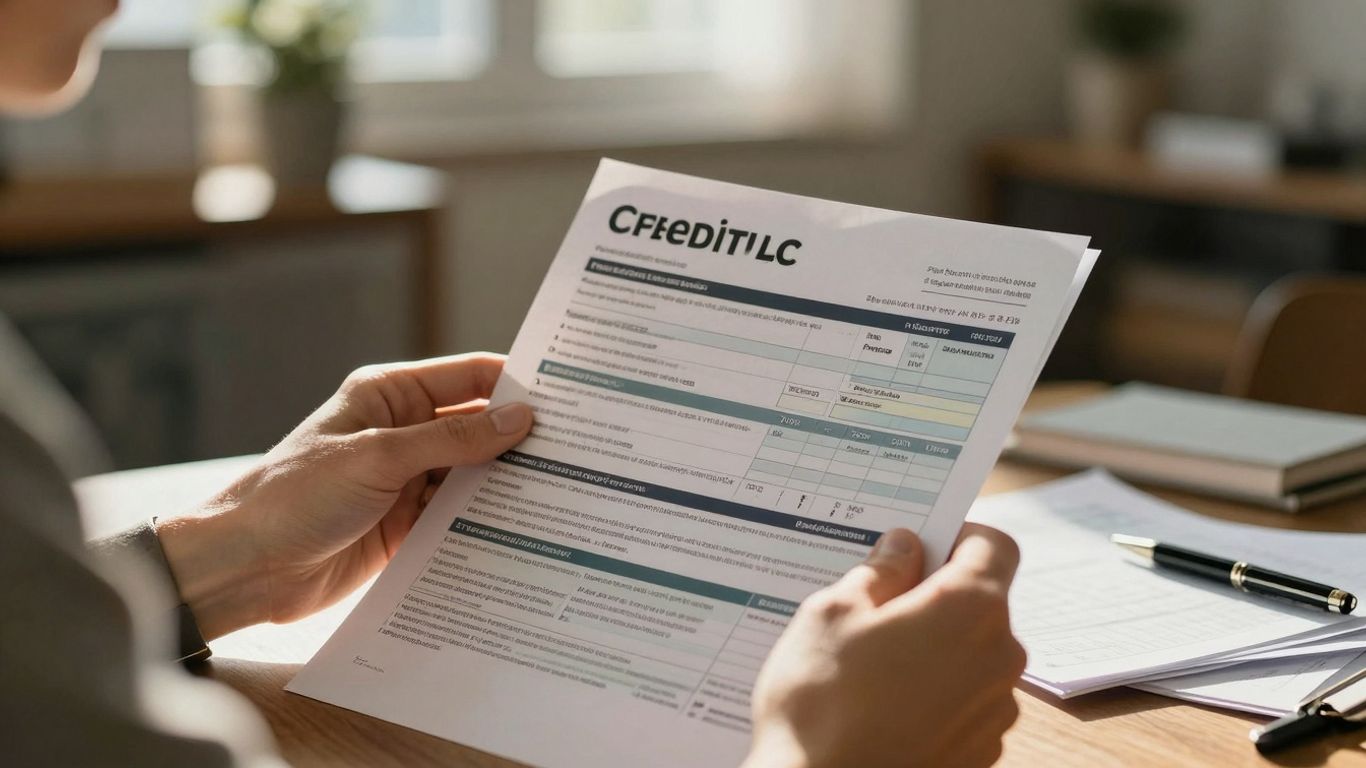
Before you even start looking at 10-year refinance rates for 2025, you've got to take a good, hard look at your credit score and history. Think of it like getting ready for a job interview – you want to put your best foot forward. Lenders use your credit report to decide if they're going to approve you for a new loan, and honestly, it's a pretty big factor in what kind of interest rate they'll offer.
The better your credit score, the more likely you are to snag a lower interest rate, which is exactly what you're aiming for when you refinance.
Here’s a quick rundown of what to consider:
- Your Credit Score: This three-digit number is a snapshot of your creditworthiness. Generally, scores above 740 are considered good to excellent, and these borrowers tend to get the best rates. If your score is lower, don't despair, but know that you might face higher rates or even some hurdles getting approved.
- Payment History: This is usually the biggest piece of your credit score. Have you been paying your bills on time, every time? Late payments can really drag your score down.
- Credit Utilization: This looks at how much of your available credit you're actually using. Keeping this ratio low (ideally below 30%) shows lenders you're not overextended.
- Length of Credit History: A longer history of responsible credit use is generally better.
- Types of Credit Used: Having a mix of credit, like credit cards and installment loans, can be a good thing if managed well.
So, what should you do? First, get a copy of your credit report from each of the three major bureaus (Equifax, Experian, and TransUnion). You can get these for free once a year at AnnualCreditReport.com. Look it over carefully for any errors. Mistakes happen, and correcting them could give your score a boost. If your score isn't where you want it to be, consider spending a few months working on it before you apply. Paying down credit card balances or making sure all your payments are on time can make a difference.
Refinancing isn't automatic. You need to qualify for the new loan just like you did for your original mortgage. Your credit history is a major part of that qualification process, influencing both approval chances and the interest rate you'll be offered.
8. Determining Your Home Equity
So, you're thinking about refinancing, maybe to a 10-year mortgage. Before you get too far into comparing rates, you really need to figure out how much equity you actually have in your home. It sounds complicated, but it's not too bad.
Basically, your home equity is the difference between what your home is currently worth and how much you still owe on your mortgage. Think of it like this:
- Current Market Value of Your Home - Outstanding Mortgage Balance = Your Home Equity
For example, if your house is worth $400,000 and you still owe $250,000 on the mortgage, you have $150,000 in equity.
Why does this matter for refinancing? Well, lenders look at your loan-to-value (LTV) ratio, which is your loan balance divided by your home's value. Generally, the more equity you have – meaning a lower LTV – the better your chances of getting approved and the better interest rates you'll likely qualify for. Many lenders prefer you to have at least 20% equity (an LTV of 80% or less) to avoid requiring private mortgage insurance (PMI) and to offer their best rates.
Getting a recent appraisal or checking online valuation tools can give you a good idea of your home's current worth. Don't forget to factor in any significant improvements you've made, as these can boost its value.
To get a clearer picture, you might want to:
- Estimate your home's current market value: Look at recent sales of similar homes in your neighborhood. Online real estate sites can give you a ballpark figure, but a professional appraisal is the most accurate.
- Find your current mortgage balance: This is usually listed on your latest mortgage statement.
- Calculate the difference: Subtract your mortgage balance from your home's estimated value.
Knowing your equity is a big step in understanding what kind of refinance options are realistically available to you.
9. Shopping Multiple Lenders
Okay, so you've decided a 10-year refinance might be the way to go. That's great! But before you jump into signing anything, there's one step you absolutely cannot skip: shopping around. Seriously, don't just go with the first lender you talk to. It's like buying a car; prices and terms can vary a lot from one place to another.
Think of it this way: each lender has its own way of looking at things, and they all want your business. This means you can often find better interest rates, lower fees, or even slightly different loan terms if you just take the time to compare. It might seem like a hassle, but the savings can add up significantly over the life of a 10-year loan.
Here’s a quick rundown of why shopping matters and what to look for:
- Interest Rates: This is the big one, obviously. Even a small difference in the interest rate can mean saving thousands of dollars over 10 years. Keep an eye on the Annual Percentage Rate (APR), which includes fees and gives a more complete picture of the loan's cost.
- Closing Costs: These are the fees you pay to get the loan. They can include things like appraisal fees, title insurance, origination fees, and more. Some lenders might offer a lower rate but have higher closing costs, and vice versa. You need to figure out which combination works best for your situation.
- Loan Terms and Fees: Beyond the rate and closing costs, check for any other fees or specific terms. Are there prepayment penalties? What are the exact loan terms? Make sure you understand everything before you commit.
To give you an idea of how much rates can differ, here’s a simplified look at what you might see:
Remember, these are just examples, and actual rates depend on many factors, including your credit score and the current market. It’s why getting personalized quotes is so important. You can check out options from lenders like CrossCountry Mortgage to get a feel for what’s out there.
When you're comparing offers, don't just look at the headline interest rate. You need to consider the total cost of the loan, including all the fees and charges. Sometimes a slightly higher rate with lower fees can be a better deal than a lower rate with sky-high closing costs. Always ask for a Loan Estimate from each lender so you can compare apples to apples.
Aim to get quotes from at least three to five different lenders. This gives you a solid range of options and a better chance of finding the best deal for your 10-year refinance. It takes a little extra time, but it's totally worth it in the long run.
10. Understanding Closing Costs and Break-Even Points
So, you're thinking about refinancing your mortgage, maybe to snag one of those sweet 10-year rates we've been talking about. That's smart! But before you jump in, let's chat about the nitty-gritty: closing costs. These are the fees you'll pay to get the new loan finalized, and they can add up. Think of them as the price of admission for potentially saving a bunch of money over time.
What kind of costs are we talking about? It's a mix of things, really. You've got appraisal fees to check your home's value, loan origination fees that the lender charges, title insurance to make sure everything's legit, and sometimes attorney fees or recording fees depending on where you live. It's not just a single fee; it's a collection of smaller ones that form the total.
Here's a quick rundown of what you might see:
- Appraisal Fee
- Loan Origination Fee
- Title Insurance
- Credit Report Fee
- Recording Fees
- Attorney Fees (if applicable)
Now, the big question is, are these costs worth it? This is where the break-even point comes in. It's the magic number of months it takes for your monthly savings to cover all those closing costs. To figure it out, you just divide your total closing costs by the amount you save each month on your mortgage payment. For example, if your closing costs are $3,000 and you're saving $100 a month, your break-even point is 30 months, or two and a half years.
If you plan to stay in your home longer than your break-even point, refinancing usually makes good financial sense. It means after that initial period, all the extra money you're saving is pure profit in your pocket. It's like an investment in your homeownership journey.
So, when you're comparing offers, don't just look at the interest rate. Make sure you're looking at the total picture, including all the fees. A slightly higher rate with lower closing costs might be better than a super low rate with sky-high fees, depending on how long you plan to stay put. It's all about finding that sweet spot where the savings outweigh the upfront investment.
11. Calculating Potential Savings
So, you're thinking about refinancing your mortgage, maybe to a 10-year term, and wondering if it's actually going to save you money. It's a smart question to ask! The biggest draw of refinancing is usually cutting down on what you pay each month, or even the total interest over the life of the loan. A noticeable drop in interest rates can really add up.
Let's break down how to figure out if it's worth it for you. It's not just about the new rate; you've got to look at the whole picture.
Here’s a simple way to think about it:
- Figure out your monthly savings: Compare your current monthly principal and interest payment to what your new payment would be with the 10-year refinance rate. The difference is your monthly savings.
- Calculate your total closing costs: This includes things like appraisal fees, lender fees, title insurance, and any other charges associated with getting the new loan. It can add up, often a few percent of the loan amount.
- Find your break-even point: Divide your total closing costs by your monthly savings. This tells you how many months it will take for your savings to cover the costs of refinancing. If you plan to stay in your home longer than this break-even period, refinancing is likely a good move.
For example, imagine you owe $300,000 on your mortgage and can refinance from a 7% rate to a 6% rate on a 10-year term. Your old payment might be around $2,000, and the new one could be closer to $1,800. That's $200 a month in savings.
Now, let's say your closing costs are $6,000. To break even, you'd divide $6,000 by $200, which equals 30 months. So, after 30 months of making that lower payment, you've essentially paid off the cost of refinancing, and all the savings after that are pure profit.
Remember, refinancing isn't just about lowering your monthly payment. It's about how much you save in interest over the life of the loan, especially with a shorter term like 10 years. You'll pay off your home faster and likely save a significant amount on interest, even after accounting for closing costs. Just make sure you do the math for your specific situation.
12. The Role of Treasury Bonds in Mortgage Rates
You might be wondering what government debt has to do with your home loan. Well, it turns out, quite a lot. The interest rates on U.S. Treasury bonds, especially the 10-year Treasury note, are a big influencer for mortgage rates. Think of them as a benchmark.
When lenders set rates for fixed-rate mortgages, they often look at what the government is paying on its 10-year bonds. If those Treasury yields go up, mortgage rates tend to follow suit. Conversely, if Treasury yields drop, mortgage rates often decrease as well.
Here's a simplified look at the connection:
- 10-Year Treasury Yields Rise: Lenders might increase mortgage rates to stay competitive and account for the higher cost of borrowing.
- 10-Year Treasury Yields Fall: Lenders may lower mortgage rates, making it a potentially good time to refinance.
Lenders also factor in other things, like the perceived risk of different loan terms. A 30-year mortgage is generally seen as riskier than a 10-year one because the money is tied up for longer. This is why 30-year mortgages typically have higher rates than 10-year loans, even if they're influenced by the same Treasury bond trends.
It's important to remember that while Treasury yields provide a strong indicator, they aren't the only factor. Individual lenders have their own pricing strategies, and market conditions can cause variations. So, even if Treasury yields suggest one thing, actual mortgage rates can differ from one lender to another.
So, keeping an eye on the 10-year Treasury yield can give you a heads-up on where mortgage rates might be heading, which is pretty handy when you're thinking about refinancing in 2025.
13. National Rate and APR Averages Explained
When you're looking at refinancing, you'll see a lot of numbers thrown around. Two of the most common are the interest rate and the Annual Percentage Rate (APR). It's important to know what these mean.
The interest rate is pretty straightforward – it's the percentage you pay on the loan amount itself. The APR, however, is a broader picture. It includes the interest rate plus certain fees and costs associated with getting the loan, giving you a more accurate idea of the total cost.
Here's a look at some average rates as of December 3, 2025:
These averages are typically gathered from a large survey of lenders across the country. They give you a benchmark, but remember, your actual rate could be different.
Keep in mind that these national averages are just a starting point. Lenders set their own rates based on various factors, including your creditworthiness, the current economic climate, and the specific loan product. It's always a good idea to compare offers from multiple lenders to find the best deal for your situation.
When you're comparing refinance options, pay attention to both the interest rate and the APR. A slightly lower interest rate might look appealing, but if the APR is higher due to fees, you might not be saving as much as you think. Shopping around helps you see how these averages stack up against real offers you can get.
14. Top Offers vs. National Averages
When you're looking at refinancing your home, especially into a 10-year term, you'll see a lot of numbers floating around. There are the national averages, which give you a general idea of what most people are getting, and then there are the 'top offers.' These are usually the rates advertised by lenders who want your business, and they can sometimes be a bit lower than the overall average.
Think of it like shopping for a car. The sticker price is one thing, but what people actually pay can vary a lot. The same goes for mortgage rates. The national average is a good starting point, but it doesn't tell the whole story for your specific situation.
Here's a quick look at how things might stack up, based on rates from December 3, 2025:
Note: Savings are estimates and depend on loan amount, exact rates, and other factors.
So, what's the deal with these top offers? They're often advertised by lenders who are trying to attract customers. They might be based on certain borrower profiles or promotional periods. It's smart to compare these advertised rates against the national averages to see if you might qualify for something better.
Don't just take the first rate you see. Shopping around is key. The difference between the national average and a top offer might seem small, but over the life of a 10-year loan, it can add up to a significant amount of money saved. Always ask lenders for a Loan Estimate so you can compare apples to apples.
Here’s what you should keep in mind when comparing:
- APR vs. Interest Rate: Always look at the Annual Percentage Rate (APR), not just the interest rate. The APR includes fees and other costs, giving you a more accurate picture of the loan's total cost.
- Lender Fees: Top offers might have lower rates but could come with higher fees. Make sure you understand all the closing costs involved.
- Your Financial Profile: The best rate for you depends on your credit score, debt-to-income ratio, and how much equity you have in your home. A top offer might not be available to everyone.
- Loan Terms: Ensure the top offer is for the exact same loan term (like a 10-year fixed) and has similar features to the national average you're comparing it to.
15. How Bankrate Collects Mortgage Rates
You might be wondering how we get all these numbers for mortgage rates, especially for something like a 10-year refinance. It’s not just a wild guess, you know. Our team at Bankrate works hard to gather this information through a national survey. We look at rates from a bunch of different lenders across the country.
Basically, there are a few ways we present this data:
- National Rate and APR Averages: These are the daily and weekly averages you see. We get these primarily from the five biggest banks and thrifts in the U.S., covering lots of different markets.
- Bankrate Monitor (BRM) National Index Averages: This is a longer-running survey, reported weekly. It also collects rates from banks and thrifts nationwide.
- "Top Offers": These are the rates that appear first on our tables, advertised by our partners. They're shown daily and weekly and are an average based on the specific loan type and term you select.
Comparing these national averages to the "top offers" can give you a good idea of how much you might save by shopping around on Bankrate.com.
It's important to remember that rates change constantly. The figures you see are snapshots in time. Always check with individual lenders for the most current information before making any decisions about refinancing your home.
This process helps us provide you with a clear picture of the mortgage market, so you can make more informed choices about your home loan.
16. What is a 10-Year Fixed Refinance?
So, what exactly is a 10-year fixed refinance? It's pretty much what it sounds like: you're taking out a new mortgage to pay off your old one, and this new loan has a fixed interest rate and a repayment period of exactly 10 years. This means your interest rate stays the same for the entire decade, and you'll have your mortgage paid off much faster than with longer loan terms.
Think about it this way: with a 30-year mortgage, a big chunk of your early payments goes towards interest. But with a 10-year fixed refinance, you're aggressively paying down the principal from the get-go. This significantly cuts down the total interest you'll pay over the life of the loan.
Here's a quick look at how it stacks up against other common refinance terms:
- 10-Year Fixed vs. 15-Year Fixed: You'll pay off your loan five years sooner with the 10-year option. Your monthly payments will be higher, but you'll save a good amount on interest overall.
- 10-Year Fixed vs. 30-Year Fixed: This is a big difference. The 10-year loan pays off in a third of the time. Expect a much larger monthly payment, but a lower interest rate and substantially less interest paid over time.
- 10-Year Fixed vs. 10/1 ARM: A 10-year fixed means your rate is locked for the full 10 years. A 10/1 ARM, on the other hand, has a fixed rate for the first 10 years, but then the rate can change every year after that. With the 10-year fixed, you know exactly what your rate will be for the entire repayment period.
Refinancing into a 10-year term is a strategy for homeowners who want to pay off their mortgage quickly and minimize the total interest paid. It usually comes with a lower interest rate compared to longer terms, but also a higher monthly payment. It's a trade-off between faster debt freedom and immediate affordability.
When you're looking at rates, you'll often see a table comparing different terms. For example, as of December 3, 2025, a 10-year fixed refinance might have an interest rate around 6.01% with an APR of 6.08%. Compare that to a 30-year fixed, which might be closer to 6.54% with an APR of 6.61%. Those differences might seem small, but over 10 years, they add up.
17. Refinancing for Steady Income Families
For families with a steady income, refinancing a mortgage, especially into a 10-year term, can be a smart move. It's all about balancing predictable cash flow with long-term financial health. Think of it like this: you've got a reliable paycheck coming in every month, which makes planning easier. Refinancing can help you take advantage of that stability.
Choosing a 10-year refinance can significantly reduce the total interest paid over the life of the loan, freeing up substantial funds for other financial goals. While the monthly payments will be higher than a longer-term loan, the savings on interest can be considerable. This is especially true if you're looking to pay off your home faster and build equity more quickly.
Here’s what steady income families often consider:
- Lowering Overall Interest Costs: A shorter term means paying down the principal faster, which directly cuts down the amount of interest you'll owe. Over ten years, this can add up to tens of thousands of dollars.
- Accelerated Equity Building: Paying off your mortgage sooner means you own your home outright faster. This builds equity, which is a key part of your net worth.
- Financial Predictability: While monthly payments are higher, they are fixed for the entire 10-year period, offering a clear picture of your housing expenses. This predictability is a big plus for families managing a budget.
Let's look at a simplified example of how this might play out. Imagine you have a $300,000 mortgage balance remaining. Refinancing to a 10-year term at a lower interest rate could look something like this:
As you can see, the monthly payment jumps up, but the total interest paid over the decade is dramatically lower. That difference could be used for college savings, retirement, or even just a more comfortable lifestyle.
Refinancing to a 10-year term isn't just about saving money on interest; it's about taking control of your financial future. For families with steady incomes, this shorter-term option provides a clear path to debt freedom and can be a powerful tool for wealth accumulation, provided the higher monthly payments fit comfortably within your budget.
Of course, it's important to make sure the higher monthly payments are manageable. If your budget is already stretched thin, a 10-year term might not be the best fit. In that case, exploring other refinance options that offer lower monthly payments, even if they come with more interest over time, might be a better choice. The key is to find the balance that works for your family's specific financial situation and long-term goals.
18. Cash-Out Refinance Options
So, you've got some equity built up in your home, and you're thinking about tapping into it. A cash-out refinance might be just the ticket. Basically, you refinance your mortgage for more than you currently owe, and the lender gives you the difference in cash. It's a way to access your home's value without selling it.
This can be a smart move for a variety of reasons, from tackling high-interest debt to funding a major home renovation or even investing in something else. Think of it as borrowing against your home, but usually at a much better interest rate than you'd find with a personal loan or credit card. It's a way to consolidate debt or get funds for big projects.
Here's a quick look at what you might use the cash for:
- Debt Consolidation: Combine credit card balances or other high-interest loans into your mortgage. This can significantly lower your monthly payments and the total interest you pay over time.
- Home Improvements: That kitchen remodel you've been dreaming about? Or maybe adding a new deck? A cash-out refinance can provide the funds to make those upgrades.
- Education Expenses: Paying for college or other educational pursuits for yourself or your family can be a major expense. This refinance option can help cover tuition, fees, and living costs.
- Investments: Some homeowners use the cash to invest in other properties, the stock market, or a business venture.
It's important to remember that you're essentially taking on more debt, so you need to be sure you can handle the increased mortgage payment. Also, the interest paid on a cash-out refinance is generally not tax-deductible unless the funds are used for home improvements. Always weigh the costs, like closing costs, against the benefits. You can check out national averages for refinance rates to get a general idea of what's out there.
When considering a cash-out refinance, it's not just about getting the money. It's about how that money fits into your overall financial picture. Are you using it to pay off more expensive debt? Are you investing it in something that will generate a return? Or are you simply spending it? These are the questions that separate a good financial decision from a potentially risky one.
Before you jump in, do your homework. Compare offers from different lenders, understand all the fees involved, and calculate your break-even point. This way, you can make sure a cash-out refinance is the right path for your financial goals.
19. Refinancing for Texas Homeowners
Thinking about refinancing your home in Texas? It's a smart move for many homeowners, especially with the market conditions we're seeing in 2025. Whether you're looking to lower your monthly payments, pay off your mortgage faster, or even pull some cash out for renovations or other big expenses, refinancing can be a great option. Texas has a really active housing market, and that often means homeowners have built up a good amount of equity in their homes. This equity can be a big help when you're looking to refinance.
For folks in Texas, especially in areas experiencing growth like the Austin-Round Rock MSA, refinancing can offer some serious advantages. You might be able to swap your current rate for a lower one, which could save you a good chunk of change each month. For example, dropping your rate could mean hundreds of dollars back in your pocket annually. It's not just about saving money, though. Some people refinance to shorten their loan term, like switching to a 15-year mortgage. This means you'll pay off your home faster and save a lot on interest over the life of the loan, though your monthly payments will likely go up.
Here's a quick look at how refinancing might play out for a $400,000 loan in Texas:
When you're considering refinancing, it's important to have a clear goal in mind. Are you trying to reduce your monthly expenses, or is your main aim to pay off the loan sooner? Keep in mind that switching to a shorter term, like a 10-year mortgage, will definitely increase your monthly payments. You'll want to check your credit score and history too, as a better score usually means better rates. Also, figure out how much equity you have in your home; having at least 20% equity can help you avoid extra costs like Private Mortgage Insurance (PMI) and get you better terms. Shopping around with multiple lenders is key to finding the best deal for your specific situation.
Texas homeowners have a lot of options when it comes to refinancing. It's not just about getting a lower interest rate; it's about tailoring your mortgage to fit your current financial needs and future goals. Whether you're looking to consolidate debt, fund home improvements, or simply lower your monthly housing cost, refinancing can be a powerful tool. Remember to factor in all the costs involved, like closing costs, to make sure the refinance makes financial sense for you in the long run.
It's also worth noting that average mortgage rates in Texas can vary. As of December 3, 2025, for instance, the average rate for a 30-year fixed mortgage was around 6.14% APR. Comparing these current averages to what you might be offered can give you a good starting point. Don't forget to look into today's mortgage rates to see how they stack up.
20. Comparing Refinance Scenarios
When you're thinking about refinancing, it's not a one-size-fits-all situation. Different scenarios can lead to very different outcomes, and understanding these differences is key to making a smart move. Let's break down a couple of common situations to see how they play out.
Imagine you have a $300,000 loan at 7% interest, and you've been paying it for a couple of years. Your monthly principal and interest payment is around $1,996. Now, let's say you can refinance to a new 10-year loan at 5.5% interest. This is a pretty common goal for people looking to pay off their home faster and save on interest over the long haul.
Here's how that might look:
- Scenario 1: Shorter Term, Lower Rate
- Original Loan: $300,000 at 7% (remaining balance after 2 years, approx. $292,000)
- New Loan: $292,000 at 5.5% for 10 years
- New Monthly Payment (P&I): Approximately $3,170
- Monthly Increase: About $1,174
- Total Interest Paid (over 10 years): Roughly $98,400
As you can see, while the interest rate is lower, the monthly payment jumps up quite a bit because you're compressing the repayment period into just 10 years. This is great if you have the income to handle the higher payment and want to be mortgage-free much sooner. It's a trade-off between a higher monthly cost now and significant interest savings over time.
Now, let's consider another scenario, maybe one where you're not quite ready for such a big payment increase, but you still want to benefit from lower rates. Perhaps you're looking at refinancing your remaining balance into a new 30-year loan, but with a better rate. This is often done to lower the monthly payment, even if it means extending the loan term.
- Scenario 2: Lower Rate, Same Term (or Extended)
- Original Loan: $300,000 at 7% (remaining balance after 2 years, approx. $292,000)
- New Loan: $292,000 at 5.5% for 30 years
- New Monthly Payment (P&I): Approximately $1,658
- Monthly Decrease: About $338
- Total Interest Paid (over 30 years): Roughly $294,880 (This is higher than the original loan's total interest if you had kept it for its full term, but lower than if you had refinanced to a 30-year at 7%.)
In this second case, your monthly payment goes down, giving you more breathing room in your budget. However, you're paying interest for a much longer period. The key is to look at your own financial picture and decide which scenario aligns best with your goals.
When comparing scenarios, always factor in closing costs. These fees can add thousands to your total loan amount and extend your break-even point. A lower monthly payment might seem appealing, but if it means paying significantly more interest over the life of the loan due to an extended term, it might not be the best long-term strategy.
It's also worth noting that the economic climate can influence these decisions. With potential shifts in interest rates, understanding how different loan terms react is important. For instance, mortgage interest rates in 2026 might look different depending on broader economic trends.
Ultimately, comparing these scenarios helps you see the direct impact of rate and term changes on your wallet, both now and in the future.
21. Frequently Asked Questions About 10-Year Refinance

So, you're thinking about a 10-year refinance. It's a big decision, and it's totally normal to have questions. Let's break down some of the common ones.
What exactly is a 10-year fixed refinance?
Basically, it's a home loan where you agree to pay it all back over 10 years, and the interest rate stays the same for the entire time. This is different from longer loans where you might pay a lot more interest over the years. With a 10-year loan, you're putting more money towards the actual loan balance (the principal) right from the start, which means you'll pay less interest overall.
Here are some other things people often ask:
- How do 10-year refinance rates get decided?
Lenders look at a few things. The rates on 10-year Treasury bonds are a big influence, kind of like a benchmark. Then, lenders add their own costs and profit margin. They also consider how risky the loan is for them – shorter loans are usually seen as less risky than longer ones. Plus, where you shop matters; different lenders will offer different rates. - How does a 10-year refinance compare to other loan terms?
Think of it like this:
Refinancing into a 10-year term means you'll pay off your mortgage much faster. This usually comes with a lower interest rate compared to longer terms, but it also means your monthly payments will be higher. It's a trade-off between paying less interest over time and having a more manageable monthly budget.
22. Expert Insights on Refinancing
When you're thinking about refinancing, especially a 10-year mortgage, it's easy to get lost in the numbers. Experts often point out that refinancing isn't just about snagging a lower interest rate; it's a strategic move to improve your overall financial health. Think of those closing costs not as an expense, but as an investment in future savings. The key is figuring out your break-even point – how long it takes for your monthly savings to cover those upfront fees. If you plan to stay in your home longer than that period, it's usually a smart move.
Here's what seasoned pros often emphasize:
- Don't just chase the lowest rate: Look at the Annual Percentage Rate (APR), which includes fees, and consider the entire loan term. A slightly higher rate with fewer fees might be better than a lower rate with hefty closing costs.
- Understand your goals: Are you trying to pay off your home faster, reduce your monthly payment, or pull out some cash? Your objective will dictate the best refinancing strategy.
- Consider the opportunity cost: Every month you delay a beneficial refinance is money you could be saving or investing elsewhere. While timing the market perfectly is tough, don't let indecision cost you significant savings.
Many homeowners focus solely on the monthly payment reduction. However, experts advise looking at the total interest paid over the life of the loan. Sometimes, a slightly higher monthly payment that keeps you on track with your original payoff schedule can save you much more in the long run compared to resetting the clock on a new 30-year term.
For instance, if you have a $200,000 loan balance and can refinance from a 6% rate to a 5% rate on a 10-year term, and your closing costs are $4,000, here's a quick look:
This example shows that even with a similar monthly payment, the total interest savings can be substantial. The break-even point helps you see when those savings start to really add up. It's all about making the numbers work for your specific situation and timeline.
23. The Impact of Interest Rate Drops
When interest rates take a tumble, it can really shake things up in the mortgage world, especially if you're thinking about refinancing. Imagine you locked in a mortgage a year or two ago when rates were higher. Now, if those rates have dropped by, say, a full percentage point or even more, you might be looking at some pretty sweet savings.
A noticeable dip in rates can mean hundreds of dollars back in your pocket each month. This isn't just pocket change; it's money that can go towards other bills, beef up your savings, or even help you pay down other debts faster. It's like getting a surprise bonus, but it comes from your mortgage lender instead of your boss.
Let's look at a quick example. Say you have $300,000 left on your mortgage, and the interest rate was 7.5%. Your monthly principal and interest payment is around $2,098. If rates drop to 6.5%, and you refinance that same balance, your new payment could be about $1,896. That's a monthly saving of over $200!
Here's how those savings can add up:
- Monthly Payment Reduction: The most immediate benefit is a lower monthly housing cost.
- Total Interest Paid: Over the life of the loan, even a small rate decrease can save you tens of thousands of dollars.
- Financial Flexibility: Extra cash flow can be used for emergencies, investments, or other financial goals.
However, it's not always a simple "refinance now" situation. You've got to think about closing costs. These fees can add up, and you need to figure out how long it will take for your monthly savings to cover those initial expenses. This is called the break-even point.
Refinancing when rates drop is a smart move for many, but it's not automatic savings. You need to do the math. Compare the total cost of refinancing, including all the fees, against how much you'll save each month and over the long haul. Sometimes, starting a new loan term, even at a lower rate, might mean paying more interest overall if you extend the loan's life too much. It's all about finding that sweet spot that works for your wallet and your future plans.
24. Refinancing to Lower Monthly Payments
Thinking about refinancing your mortgage? One of the biggest reasons people consider it is to bring down that monthly payment. It's like finding a little extra breathing room in your budget, and who couldn't use that?
When interest rates drop, refinancing can make a real difference. Imagine your current mortgage payment is $2,800 a month. If you can refinance and get that down to $2,500, that's an extra $300 in your pocket every single month. Over a year, that adds up to $3,600!
Here’s a quick look at how a rate drop can impact your payment:
- Lower Interest Rate: This is the main driver. A lower rate means less of your payment goes towards interest and more towards the principal, or simply a lower overall payment.
- Extended Loan Term: Sometimes, refinancing involves starting a new loan term. While this can lower your monthly payment, it might mean paying more interest over the life of the loan. It's a trade-off to consider.
- Eliminating PMI: If your home's value has gone up and you now have enough equity, refinancing could let you ditch Private Mortgage Insurance, which is another monthly cost gone.
It's not just about the immediate savings, though. Lower monthly payments can free up cash for other important things. Maybe you want to build up an emergency fund, pay down other debts faster, or even put a bit more into savings for retirement. It gives you more flexibility to handle unexpected expenses or pursue other financial goals.
Of course, you have to look at the whole picture. Refinancing usually comes with closing costs. You'll want to figure out how long it will take for your monthly savings to cover those costs. If you're just looking to lower your payment and don't plan to stay in the home for many years, it might not make sense. But if you plan to stay put and want that monthly relief, it could be a smart move.
25. Refinancing for Faster Payoff and More
So, you're thinking about refinancing, and maybe you've heard about getting a shorter loan term. It's a pretty smart move if you're looking to pay off your house quicker and save a ton on interest over the life of the loan. Instead of stretching payments out over 30 years, you could cut that down to 15 or even 10 years. This means you'll build equity way faster, and all that extra money you're not paying in interest can go towards other things.
Think about it: paying off your mortgage years ahead of schedule. That's a huge financial win. It frees up your income sooner, giving you more flexibility for retirement, investments, or just enjoying life.
Here’s a quick look at how a shorter term can shake out:
- Accelerated Equity Building: You'll own more of your home, faster.
- Significant Interest Savings: The total interest paid over the loan's life drops dramatically.
- Financial Freedom: Get rid of that mortgage payment years earlier.
Of course, shorter terms usually mean higher monthly payments. You've got to make sure your budget can handle it. It's a trade-off: a bit more each month now for a lot less later and a quicker path to being mortgage-free. It’s about deciding what your priorities are. Do you need the lowest possible monthly payment, or are you aiming to be debt-free as soon as possible? A 10-year refinance is a serious commitment, but the payoff can be huge.
Refinancing isn't just about lowering your monthly bill; it's a powerful tool to reshape your entire financial future. Choosing a shorter term, like a 10-year mortgage, can dramatically cut down the total interest you pay and get you to the finish line of homeownership much sooner. It requires a careful look at your budget, but the long-term rewards are substantial.
When you're looking at refinancing, especially if you're considering a shorter term, it's a good idea to compare what different lenders are offering. You might find a great deal that makes that faster payoff even more achievable. Checking out options can help you see how much you could save. For instance, a small drop in your interest rate can make a big difference when you're aiming for a quicker payoff [facc].
Wrapping It Up
So, looking at a 10-year mortgage for refinancing in 2025 might be a smart move for some folks. It means paying off your home faster and generally paying less interest overall. But, you've got to be ready for those higher monthly payments. It's not for everyone, especially if your budget is already stretched thin. Always compare rates from different lenders, check out those closing costs, and really think about whether the savings add up for your specific situation. It's all about making your mortgage work for you, not the other way around.
Frequently Asked Questions
What exactly is a 10-year fixed refinance?
A 10-year fixed refinance means you're getting a new home loan that you'll pay off in 10 years, and the interest rate will stay the same the whole time. It's a way to pay off your loan much faster and save a lot on interest compared to longer loans like 30-year ones.
How do banks decide on the interest rates for 10-year refinances?
Interest rates for home loans are often linked to how the U.S. government's 10-year Treasury bonds are doing. Banks also look at how risky it is to lend money for different loan lengths. Shorter loans, like 10-year ones, are usually seen as less risky, so they often have lower rates. But each bank sets its own prices, so rates can be different everywhere.
Is a 10-year refinance a good idea for everyone?
It can be great if you want to pay off your home quickly and save on interest. However, the monthly payments will be higher than for longer loans, which might be tough on your budget. It's best if you've already paid off a good chunk of your current loan or if you can handle the bigger payments.
How does a 10-year refinance compare to a 15-year or 30-year one?
A 10-year loan pays off your mortgage five years faster than a 15-year loan and much faster than a 30-year loan. This means you'll pay more each month but much less interest overall. A 30-year loan has the lowest monthly payment but costs the most in interest over time.
What are the main pros and cons of choosing a 10-year refinance?
The biggest pros are paying off your loan super fast and paying less interest in total, often with lower interest rates. The main con is that your monthly payments will be higher, which could make it harder to manage your money for other things like saving or investing.
When should I consider refinancing in 2025?
It's a good time to think about refinancing in 2025 if interest rates have dropped since you got your current loan. Even a small drop can save you a lot of money over time. It's also a good idea if you want to pay off your mortgage faster or if you need to adjust your monthly payments to fit your financial goals.












Get in touch with a loan officer
Our dedicated loan officers are here to guide you through every step of the home buying process, ensuring you find the perfect mortgage solution tailored to your needs.
Options
Exercising Options
Selling
Quarterly estimates
Loans
New home

Stay always updated on insightful articles and guides.
Every Monday, you'll get an article or a guide that will help you be more present, focused and productive in your work and personal life.









.png)
.png)
.png)
.avif)
.avif)
.avif)
.png)
.png)
.png)
.avif)
.png)
.png)
.avif)
.png)
.avif)
.png)
.avif)
.avif)