


Unlock Savings: Your Guide to Today's Rate Refinance Mortgage Options
December 7, 2025
Explore rate refinance mortgage options to unlock savings. Learn how to secure the best rates and calculate your potential savings today.

Thinking about refinancing your mortgage? It's a big step, and honestly, the whole thing can feel a bit much sometimes. Mortgage rates seem to have a mind of their own, bouncing around quite a bit. This makes you wonder if now is really the right time to even consider it, doesn't it? That's exactly what we're going to get into here. We'll break down what's happening with rate refinance mortgage options and how you might be able to save some cash.
Key Takeaways
- Even a small drop in mortgage rates can mean saving a good chunk of money each month. This extra cash can go towards bills, saving, or paying off other debts faster.
- Don't forget about closing costs when you refinance. They can add up, so figure out how long it'll take for your monthly savings to cover them. Sometimes, it's not worth it if it takes too long.
- Refinancing to a new 30-year loan might lower your monthly payment, but it could also mean paying on your mortgage for longer. Think about if those long-term costs are worth the short-term relief.
- Your credit score is a big deal when it comes to getting the best rate refinance mortgage offers. A higher score usually means a better rate.
- Shopping around and comparing offers from different lenders is super important. Don't just go with the first one you find; you might find a much better deal elsewhere.
Understanding Today's Rate Refinance Mortgage Landscape

Mortgage rates have been doing their own thing lately, bouncing around quite a bit. It feels like just yesterday they were super low, and now they've gone up. This makes a lot of homeowners wonder if now is a good time to think about refinancing their mortgage. If you're one of them, you're in the right spot. We're going to break down what's happening with refinance rates for mortgages and how you might be able to save some cash.
Why Now Is an Optimal Time to Explore Refinancing
So, is it actually a good time to refinance? That's the million-dollar question, right? Well, it really depends on your situation and what rates are doing. While predicting the exact future of mortgage rates is tough, a general rule of thumb is that if you can lower your interest rate by a full percentage point or more, it's usually worth looking into. Even a small drop can add up to significant savings over the life of your loan. Many homeowners are currently locked into rates well below 5%, and for them, refinancing might not make sense unless rates drop considerably. However, if you secured your loan at a higher rate in recent years, even a modest decrease could lead to noticeable monthly savings.
Key Factors Influencing Current Refinance Rates
What makes mortgage refinance rates move around? It's not just one thing, and honestly, it can feel a bit like trying to guess the weather sometimes. A few big players are always in the mix, and they can push rates up or down. The overall health of the economy is a major driver. When the economy is chugging along nicely, with lots of jobs and growth, rates sometimes tend to climb. Conversely, during slower economic periods, rates might dip. The Federal Reserve's actions also play a huge role. When they adjust interest rates, it often influences mortgage rates. Inflation is another big one; when prices are rising fast, lenders might charge more interest to keep up.
Here's a quick look at some recent trends:
- 30-Year Fixed Refinance Rates: Averaging around 6.66% to 6.73% APR.
- 15-Year Fixed Refinance Rates: Typically falling between 6.05% and 6.15% APR. This is a popular option for those looking to pay off their home faster and save on interest over time. The average 15-year fixed refinance Annual Percentage Rate (APR) is currently 6.15 percent.
- 5/1 ARM Refinance Rates: Currently around 6.03% APR. These can offer a lower initial rate but come with the risk of payments increasing later.
Remember, these are national averages. Your personal rate could be higher or lower based on your credit score, loan amount, and the lender you choose. It's always a good idea to get quotes from multiple lenders.
The Impact of Economic Trends on Mortgage Rates
Mortgage rates aren't fixed in stone. They shift pretty often, influenced by a bunch of things happening in the economy. When rates are low, it's like finding a good deal on something you use all the time – you can save a good amount of money. If you locked in a really good rate a few years back, your current mortgage might feel like a solid win. But if you're paying a higher rate now, looking into refinancing could be a smart move. Housing economists expect rates to stay above 6% for the rest of 2025. Another refinancing boom might happen only after a recession or other economic shock.
Evaluating Your Rate Refinance Mortgage Options
So, you're thinking about refinancing your mortgage. That's a big step, and before you jump in, it's smart to really get a handle on what you're looking at. Refinancing basically means you're swapping out your current home loan for a new one. This new loan might have a different interest rate, a different payoff timeline, or even a different amount. The main idea is to get a mortgage that fits your life better right now.
Rate-and-Term Refinancing for Lower Payments
This is probably the most common reason people refinance. The goal here is simple: get a lower interest rate than what you're currently paying. If rates have dropped since you got your original mortgage, you could potentially lower your monthly payment significantly. This frees up cash in your budget each month. It's not just about saving a few bucks; it can make a real difference in your financial flexibility. The key is that the new loan's terms are similar to your old one, just with a better rate.
Adjustable-Rate Mortgages vs. Fixed-Rate Refinances
When you're looking at refinancing, you'll run into two main types of loans: fixed-rate and adjustable-rate mortgages (ARMs). They work pretty differently, and which one is right for you depends a lot on your plans and how much risk you're comfortable with.
- Fixed-Rate Refinance: With this option, your interest rate stays the same for the entire life of the loan. This means your principal and interest payment will never change. It's a solid choice if you plan to stay in your home for a long time and really value having a predictable monthly housing cost. No surprises here.
- Adjustable-Rate Mortgage (ARM) Refinance: ARMs usually start with a lower interest rate for an initial period, maybe 3, 5, 7, or even 10 years. After that introductory period, the rate can change periodically based on market conditions. This can be appealing if you think you'll sell your home or refinance again before the rate starts adjusting, or if you believe interest rates will go down in the future. However, there's always a risk that your payments could go up if rates rise.
Leveraging Equity with a Cash-Out Refinance
Sometimes, you might need access to a larger sum of money for things like home renovations, paying off high-interest debt, or covering other major expenses. A cash-out refinance lets you do just that. You borrow more than you currently owe on your mortgage and receive the difference in cash. It's like tapping into the equity you've built up in your home. Just remember, you're increasing your mortgage balance, which means higher monthly payments and more interest paid over the life of the loan. It's a trade-off: immediate cash for a larger, longer-term debt.
When considering a refinance, it's really important to figure out your break-even point. This is the time it takes for the money you save each month on your new mortgage payment to cover all the upfront closing costs. If you plan to sell your house or refinance again before you reach that point, you might end up spending more money than you save.
Calculating Potential Savings with a Rate Refinance Mortgage
So, you're thinking about refinancing to snag a better interest rate. That's smart! But how do you actually figure out if it's going to save you money? It's not just about looking at a lower number; you need to do a little math to see the real impact on your wallet.
The Significance of a Percentage Point Drop
Even a small change in your interest rate can make a surprisingly big difference over time. Let's say you have a $300,000 mortgage. If you can drop your interest rate by just one percentage point, you could be looking at saving a good chunk of change each month. For instance, going from 7% to 6% on that $300,000 loan could mean about $175 less per month. Over the years, that adds up to thousands, maybe even tens of thousands, of dollars in interest you won't have to pay. It's definitely worth seeing if you can get a better rate. You can explore potential monthly mortgage savings with a refinance using online tools here.
Understanding Your Break-Even Point
Refinancing isn't free, though. There are closing costs involved, like appraisal fees, legal charges, and sometimes other administrative costs. These can add up, often ranging from 2% to 5% of your loan amount. So, you need to figure out when those monthly savings will actually cover these upfront expenses. This is your break-even point. For example, if your monthly savings are $200 and your closing costs are $6,000, you'll break even after 30 months (that's 2.5 years). If you plan to sell your home or move before you reach that point, refinancing might not be the best financial move right now.
Comparing Monthly Savings Against Refinancing Costs
To get a clear picture, it's best to list out all the potential costs and then compare them to your projected monthly savings. Here’s a simple way to think about it:
- Estimate Closing Costs: Add up all the fees you expect to pay. This includes things like appraisal fees, title insurance, and lender fees.
- Calculate Monthly Savings: Determine how much less you'll pay each month with the new interest rate. This is usually found by comparing your current principal and interest payment to the new one.
- Determine Break-Even Time: Divide your total closing costs by your monthly savings. This tells you how many months it will take for the savings to pay for the costs.
It's easy to get caught up in the excitement of a lower interest rate, but don't forget to look at the whole financial picture. The upfront costs of refinancing can sometimes eat into the savings, especially if you don't plan to stay in your home for a long time. Making sure the numbers work out in the long run is key.
Here’s a quick look at how costs and savings might stack up:
This table shows that while you save about $175 each month, it would take over three and a half years to recoup the initial $7,500 in closing costs. If you plan to stay in your home longer than that, it's likely a good deal.
Strategies for Securing the Best Rate Refinance Mortgage

So, you've decided refinancing is the way to go. That's great! But just because you're refinancing doesn't automatically mean you'll get the absolute best rate out there. It takes a bit of work and knowing what to look for. Think of it like shopping for anything important – you wouldn't just grab the first thing you see, right? You compare, you check reviews, and you make sure it fits your needs.
The Crucial Role of Your Credit Score
Your credit score is a big deal when it comes to getting a good refinance rate. Lenders look at it as a way to gauge how risky it might be to lend you money. A higher score generally means they see you as a safer bet, and that usually translates into a lower interest rate for you. It's not just a small detail; even a quarter-point difference can add up to a lot of money over the years.
Here's a general idea of what lenders look for:
- Excellent Credit (740+): You're in a great spot for the lowest rates and best terms. Lenders see you as very low risk.
- Good Credit (670-739): You should still qualify for competitive rates, though maybe not the absolute rock-bottom ones.
- Fair Credit (580-669): You might still be able to refinance, but expect higher interest rates and potentially more fees.
It's always a good idea to check your credit report before you start. Sometimes there are errors that can be fixed, giving your score a nice little boost.
Shopping Around for Optimal Lender Offers
Don't just go with the first lender you talk to, or the one you already have your current mortgage with. Different lenders have different rates and fees. You need to compare offers from at least three to five different places. When you're comparing, don't just look at the interest rate itself. You also need to consider the Annual Percentage Rate (APR), which includes most of the fees associated with the loan. Also, pay close attention to the closing costs.
Here’s a quick comparison guide:
In this example, Lender B has a slightly higher interest rate but significantly lower closing costs, which might make it a better deal depending on how long you plan to stay in your home.
It's easy to get caught up in just the advertised interest rate. However, a slightly higher rate with much lower closing costs could actually be a better financial move for you, especially if you don't plan on staying in the home for the entire loan term. Always do the math for your specific situation.
Locking In Your Interest Rate with a Rate Hold
Mortgage rates can be a bit jumpy. You might get a great quote one day, but if the market does its thing before you actually close on your refinance, that rate could go up. To protect yourself from these unexpected changes, always ask your lender to "lock in" your interest rate. This is called a rate hold, and it guarantees your rate for a specific period while your refinance application is being processed. It gives you peace of mind knowing exactly what your new rate will be.
This process helps you avoid any surprises and ensures that the savings you calculated are the savings you'll actually get.
When a Rate Refinance Mortgage May Not Be Ideal
Refinancing your mortgage can seem like a no-brainer, especially when rates drop. But honestly, it's not always the best move for everyone, or at every moment. Sometimes, the costs involved just don't add up, or your personal situation means it's better to stick with what you have. It's like deciding whether to buy a new phone when yours is still working okay – you have to weigh the benefits against the price tag.
Alternatives to Refinancing for Accessing Equity
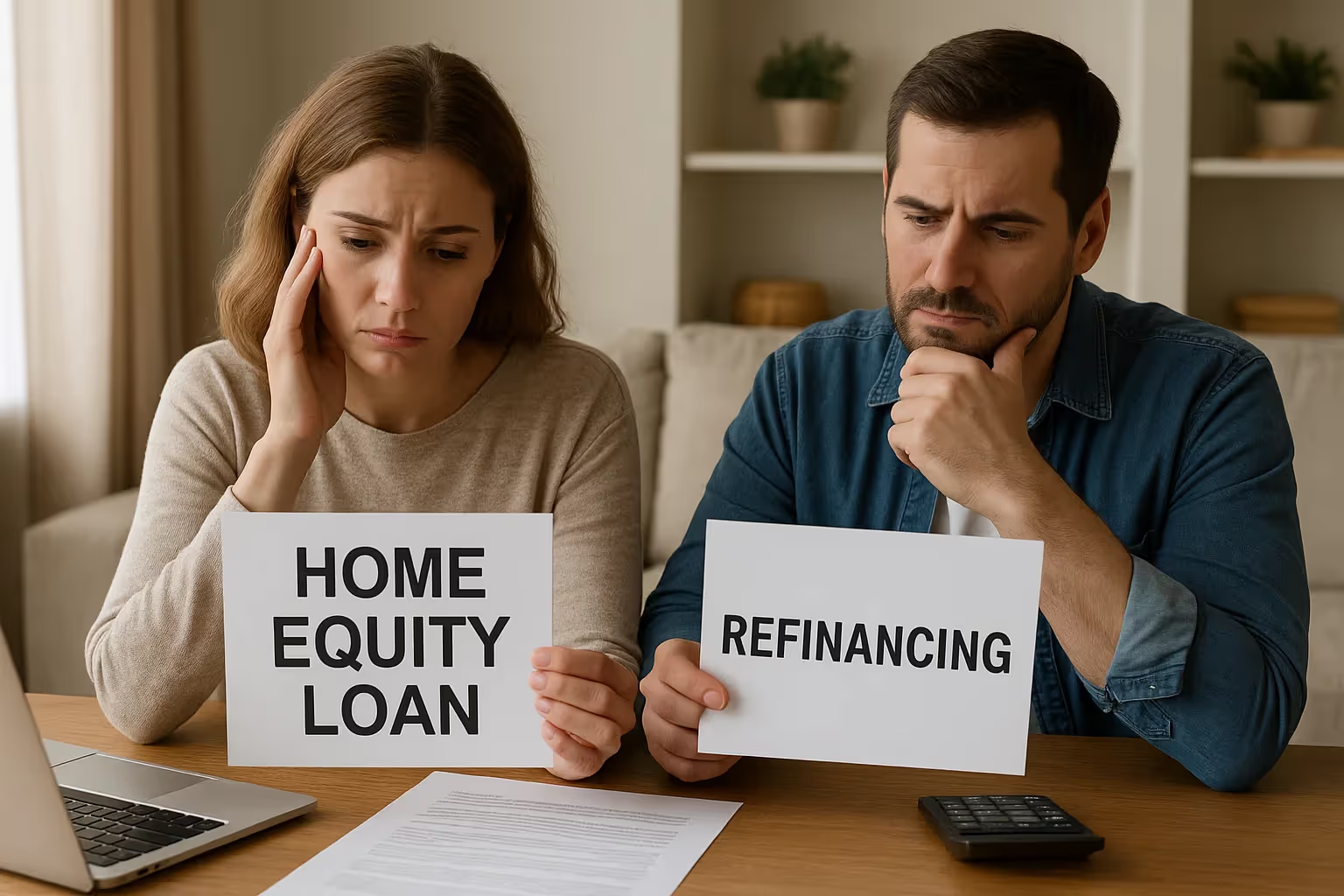
Maybe you need some cash, and your home's value has gone up. That's great! But refinancing isn't the only way to get at that equity. You could look into a home equity loan or a home equity line of credit (HELOC). These are separate loans that sit on top of your existing mortgage. A home equity loan gives you a lump sum upfront, while a HELOC works more like a credit card you can draw from as needed. Both can be good options if you don't want to touch your primary mortgage rate or if you only need a specific amount of cash.
Considering Your Long-Term Homeownership Plans
How long do you plan to stay put? This is a big question. Refinancing has closing costs, kind of like when you first bought the house. If you plan to move in, say, two years, and those closing costs will take three years to pay off through lower monthly payments, then refinancing probably isn't worth it. You'd end up spending more than you save. It's really about making sure you'll be in the home long enough to actually see the savings.
The Importance of Evaluating Total Transaction Costs
Don't just look at the interest rate. You've got to consider all the fees that come with refinancing. We're talking about things like appraisal fees, title insurance, origination fees, and recording fees. These can add up quickly. Sometimes lenders let you roll these costs into the new loan, which sounds good because you don't pay them upfront. But remember, you'll be paying interest on those costs over the life of the loan, making your total cost higher in the end. It's a good idea to get a Loan Estimate from a few different lenders and compare all the numbers side-by-side. You want to know the real cost of the transaction, not just the advertised rate.
It's easy to get caught up in the excitement of a lower interest rate, but it's vital to look at the whole picture. Think about all the fees involved and how long it will take for your monthly savings to actually cover those costs. If the math doesn't work out for your timeline, it might be best to hold off.
Preparing for Your Rate Refinance Mortgage Application
Getting ready to refinance your mortgage might seem like a big task, but honestly, it's mostly about getting your ducks in a row. Think of it like getting ready for a big trip – you wouldn't just show up at the airport, right? You pack, you check your tickets, you figure out your route. Refinancing is similar. The better you prepare, the smoother the whole process will be, and you'll be more likely to snag that great rate.
Gathering Essential Financial Documentation
Lenders need to see the whole picture of your finances. They want to know you're a safe bet. So, start digging out the paperwork. You'll likely need:
- Pay stubs: Usually the last 30 days. This shows your current income.
- W-2s and Tax Returns: The last two years are standard. This gives a broader view of your earnings.
- Bank Statements: A few months' worth, showing your savings and how you manage money.
- Proof of Assets: If you have investments or retirement accounts, have statements ready.
- Information on Debts: Details about any other loans or credit card balances.
Having these documents organized beforehand saves a ton of time and makes you look like a super prepared applicant. It really speeds things up when the lender asks for them.
Assessing Your Home's Current Market Value
Your home's value is a big deal in refinancing. It affects how much you can borrow, especially if you're thinking about a cash-out refinance. Lenders will order an appraisal, which is basically an expert opinion on what your house is worth right now. But you can get a head start.
- Look at recent sales: See what similar homes in your neighborhood have sold for lately.
- Check online estimates: Websites can give you a ballpark figure, but take these with a grain of salt.
- Consider recent improvements: Did you add a new kitchen or bathroom? That can boost value.
Knowing your home's approximate worth helps you understand your equity – the difference between what your home is worth and what you owe on the mortgage. This is key information for any refinance discussion.
Clarifying Your Specific Refinance Goals
Why are you refinancing in the first place? It's not just about getting a lower rate, though that's a common reason. Maybe you want to shorten your loan term to pay it off faster, or perhaps you need to pull out some cash for a big project. Be clear about what you want to achieve.
Knowing your primary goal helps you choose the right type of refinance and compare offers more effectively. It's easy to get sidetracked by a low rate, but if it doesn't align with your main objective, it might not be the best move for you in the long run. Think about what truly matters for your financial future.
Having clear goals makes it easier to talk to lenders and figure out which refinance option will actually help you the most.
Making Your Next Move
So, refinancing your mortgage might seem like a lot to figure out, especially with rates doing their own thing. But honestly, if you've got a loan with a higher rate, looking into refinancing could really save you money each month and over the long haul. Just remember to do your homework. Check out what different lenders are offering, figure out all the costs involved, and see how long it'll take for your savings to add up. It’s not about perfect timing, but about making a smart move that works for your wallet and your future. Take the time to compare your options, and you might be surprised at how much better your mortgage can work for you.
Frequently Asked Questions
What exactly is mortgage refinancing?
Think of refinancing as swapping your old home loan for a brand new one. You might do this to get a lower interest rate, change the length of your loan, or even take out some cash from your home's value.
When is the best time to refinance my mortgage?
It's usually a good idea to refinance when interest rates have dropped significantly, making your new loan cheaper than your current one. Also, make sure you plan to stay in your home long enough to make back the costs of refinancing.
How much money can I save by refinancing?
The amount you save depends on how much you owe, the difference in interest rates, and how long you have left on your loan. Even a small drop in the interest rate can save you thousands of dollars over time.
What are the costs involved in refinancing?
There are a few costs to consider, like fees for a home appraisal, legal charges, and sometimes a penalty for paying off your old loan early.
Can I get cash out when I refinance?
Yes, you can! This is called a "cash-out refinance." It lets you borrow more than you owe on your current mortgage and get the extra money in cash. You can use this for home improvements, paying off debt, or other big expenses.
What's the difference between a fixed-rate and an adjustable-rate refinance?
With a fixed-rate refinance, your interest rate stays the same for the whole loan, so your payment never changes. An adjustable-rate mortgage (ARM) starts with a lower rate that can go up or down later, depending on the market.












Get in touch with a loan officer
Our dedicated loan officers are here to guide you through every step of the home buying process, ensuring you find the perfect mortgage solution tailored to your needs.
Options
Exercising Options
Selling
Quarterly estimates
Loans
New home

Stay always updated on insightful articles and guides.
Every Monday, you'll get an article or a guide that will help you be more present, focused and productive in your work and personal life.








.png)
.png)
.png)
.avif)
.avif)
.avif)
.png)
.png)
.png)
.avif)
.png)
.png)
.avif)
.png)
.avif)
.png)
.avif)
.avif)